
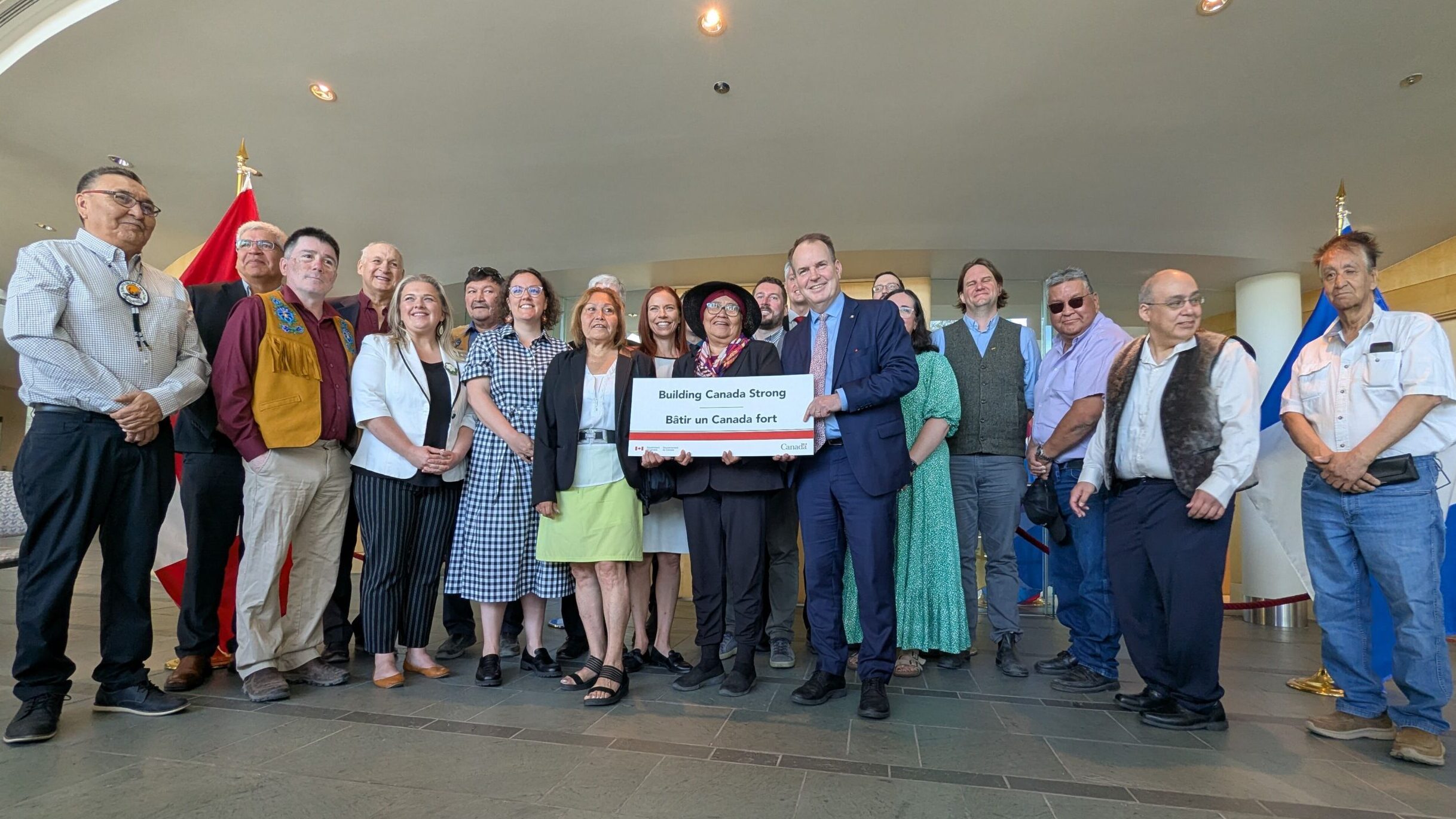

The Mackenzie Valley Highway project could potentially see an accelerated and streamlined build under the Bill C-5’s Build Canada Act. The Gray’s Bay Road and Port and the Nuclear Waste Management Organization’s Deep Geological Repository, just referred to the Nation Building Projects office, were also named for potential acceleration in a special announcement today in Yellowknife.
The three projects are the first to be identified as part of an initiation process tagging them as projects of national interest under the act.
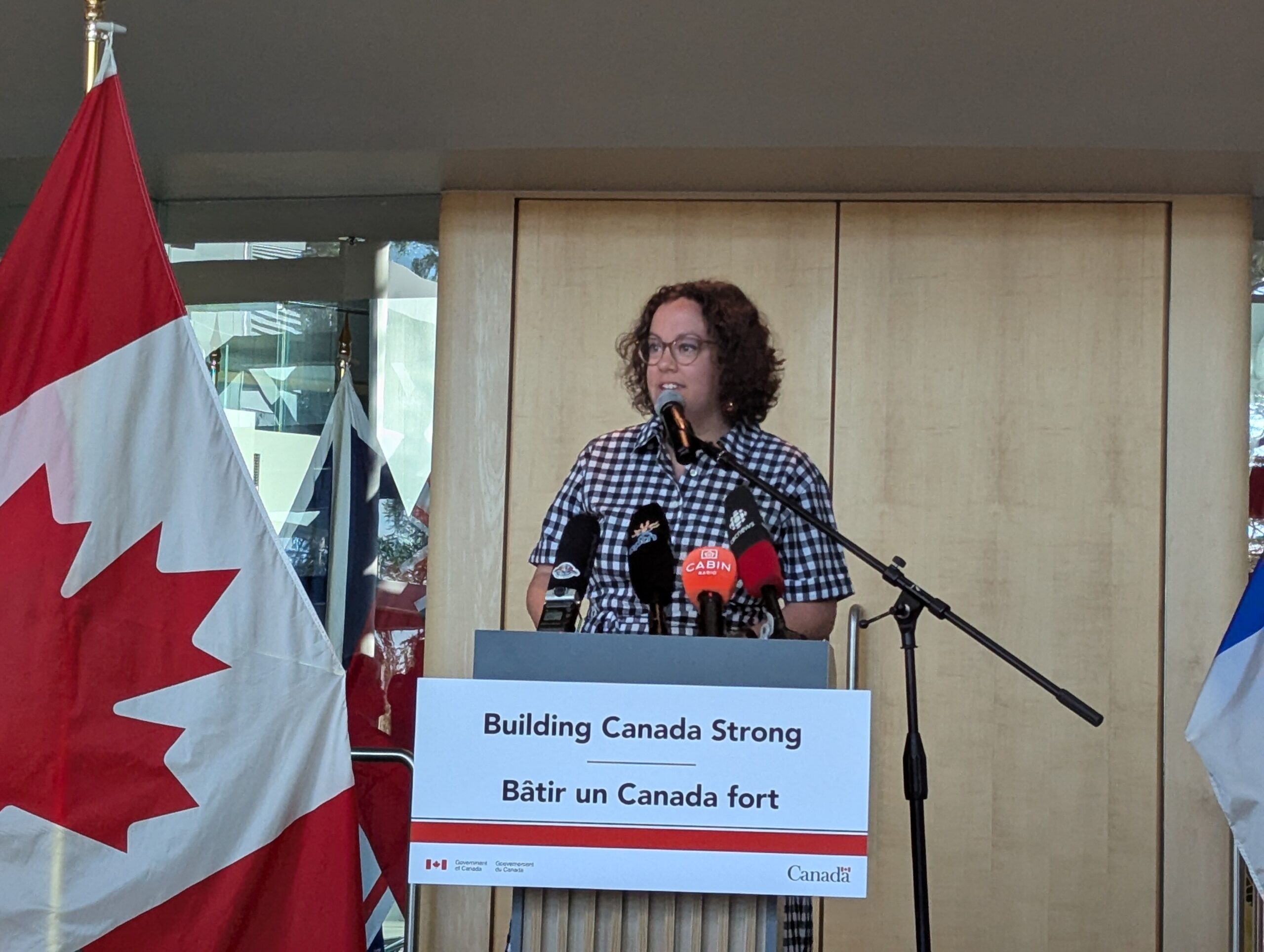
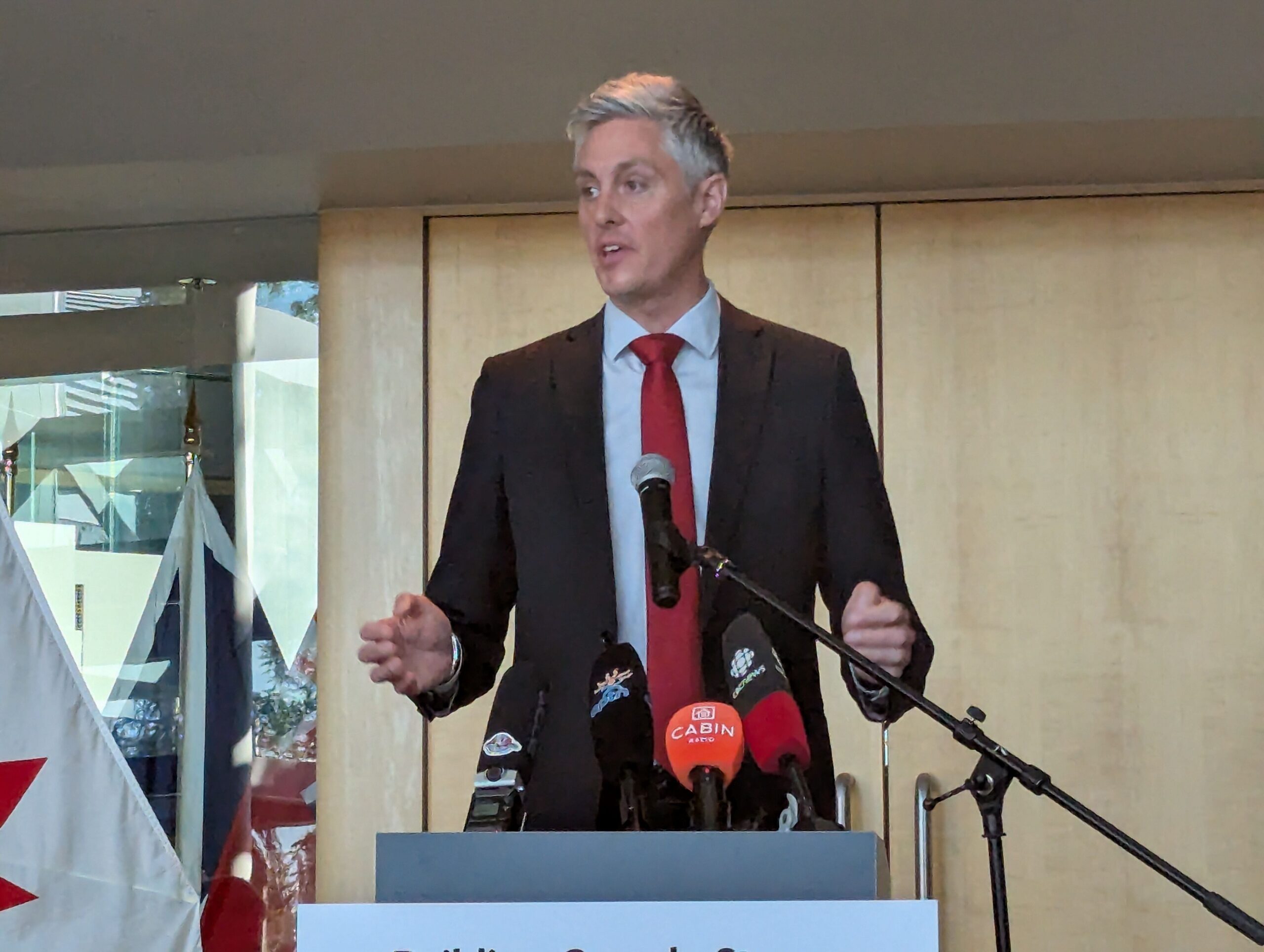
Federal Energy and Natural Resources Minister Tim Hodgson, Transport Minister Steven MacKinnon and Crown-Indigenous Relations Minister MP Rebecca Alty made the announcement from the Legislative Assembly this morning.
The Mackenzie Valley Highway project was referred to the Major Projects office in March 2026. At an in-person announcement in Yellowknife on March 12, Prime Minister Mark Carney said construction on the Mackenzie Highway could begin as early as this summer.
Minister MacKinnon said the government of Canada is launching the process that could lead to the Mackenzie Highway among projects of national interest under the Build Canada Act.
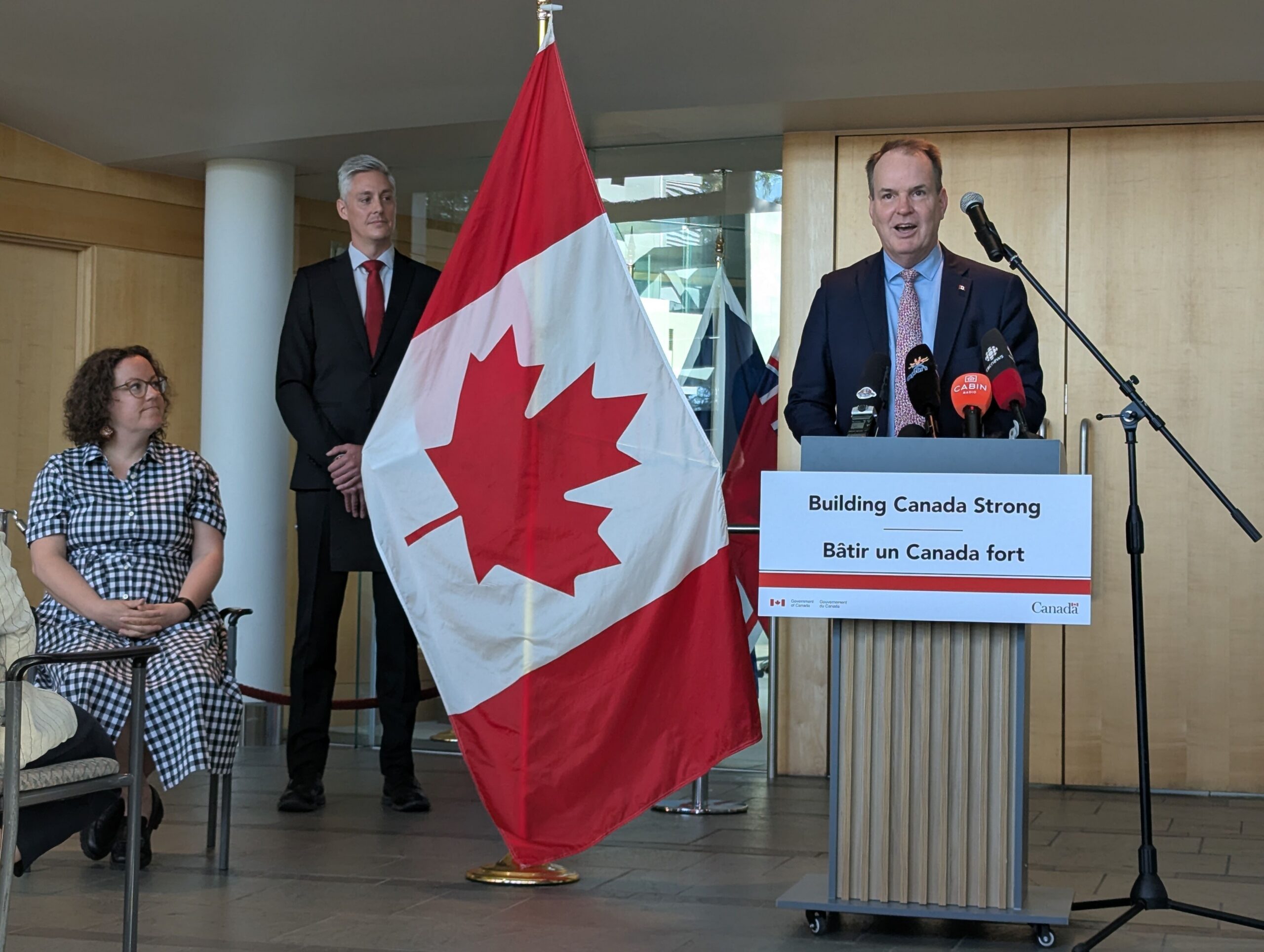
“The McKenzie Valley Highway, and the Grays Bay Road and Port project, are nation building initiatives. They are about strengthening Arctic sovereignty, creating economic opportunity and supporting the communities that call the North home.”
MacKinnon said Transport Canada has already invested more than $100 million dollars to support the first steps towards the all-season transportation corridor.
“Progress is already underway. Early construction activities supporting the future Highway include targeted resurfacing, work on Highway 1 with re location work on the Oscar Creek Bridge expected to begin later this winter. In addition, part of this investment provided by Transport Canada to the government of the N.W.T. will be used for planning, engineering and community engagement activities.”
MacKinnon said the funding would also support ongoing project development, including bridge design and environmental assessment work to take place place this summer.
Finance and Infrastructure Minister Caroline Wawzonek said the project is continuing planning talks and consultations with Indigenous and community stakeholders.
Wawzonek said to maintain a small portion of the highway that already exists, the cost is already about $10 million per year. Despite those maintenance costs, the road is melting each year, she added.
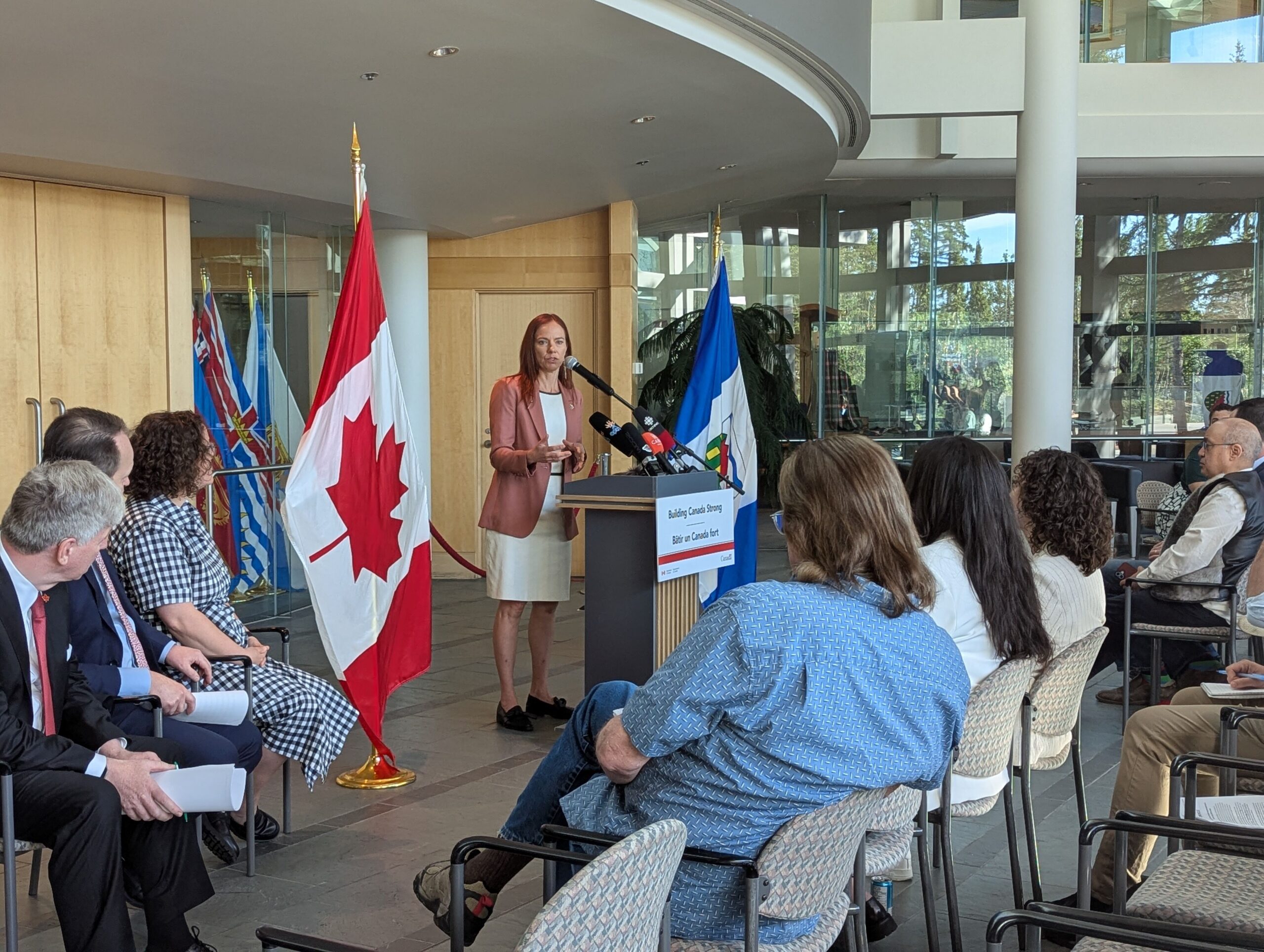
“Right now for the Mackenzie Valley Highway, to build the winter road that only goes about halfway, costs now – we’re approaching $10 million dollars per year.”
The diamond mine companies in the N.W.T. have been building a $25 million dollar road that also melts every year, explained Wawzonek.
High costs are anticipated even once the road is built. Minister Wawzonek said the GNWT is not currently concerned about balancing maintenance costs because the highway is expected to bring in more revenues.
“So shifting the dollars around that we have, to build something we don’t actually have permanent access to, to building and operations maintenance on something that is a permanent asset, not concerned about that I think that is a good trade off.”
Wawzonek said that if business opportunities are “unlocked” and “connection points” expanded in the N.W.T., the expectation would be that more revenues would be generated.
Those revenues could be put towards the costs of maintenance.
Some critics including MLA Shauna Morgan have pointed out that balancing the costs of maintenance with potential future development revenues, like mines, may not be enough to cover the costs, especially if taxpayers are bearing the brunt.
Wawzonek said that questions around the proposed highway and it’s potential accelerated build must also consider the need for greater connecting infrastructure for remote Northern communities. This could allow for greater economic opportunities, as well as potentially lower costs of living.
“For years, Northerners have made the case that the Mackenzie Valley Highway is more than a road. It is nation-building infrastructure that will connect communities, improve transportation resilience, support emergency response, and create new opportunities for residents, businesses and Indigenous governments,” said Wawzonek in a statement following the announcement.
The proposed all-season road would run from Wrigley to the Dempster Highway, south of Inuvik, through the Mackenzie Valley.
It could potentially allow year-round access to the communities of Tulita, Norman Wells, and Fort Good Hope.
Minister Wawzonek said the GNWT and Indigenous government partners have been working together with the federal government to explore federal funding pathways for the Mackenzie Valley Highway project.
“The Northwest Territories’ treaty-based impact assessment and regulatory processes will continue, including the roles of the Mackenzie Valley Environmental Impact Review Board and the Land and Water Boards. Those processes respect Indigenous rights, modern treaties, environmental protection and the role of co-management partners.”
Premier R.J. Simpsons said that the act’s accelerating and streamlining of processes would not change the GNWT’s consultation policies with First Nations, Inuit and Metis stakeholders.
With the purview for the major projects falling under federal jurisdiction, it is unclear how the GNWT’s policies would balance with federal jurisdiction.
Minister Alty said “building trust” is also part of the Build Canada Strong Act.
Environmental assessment activities remain “essential” to the next steps of the project.
“Our priority is clear to move forward quickly, but we must do it in partnership with respect for rights and with lasting benefits for Indigenous communities. This is how we build trust. This is how we uphold our obligations and this is how we move forward together. We’re working in partnership with territorial and Indigenous governments to ensure that the benefits of these projects flow into communities,” said Alty.
The minister said that the building of the highway would be a project aimed at “equity ownership, good jobs” and “skill development.”
Alty said that treaty-based impact assessment and regulatory processes would still be the required to be completed for the three projects.
The minister added that having a project listed under the Act does not alter Canada’s obligation to uphold its current impact assessment and regulatory processes as set out in modern treaties.
The government is currently in negotiations with the Northwest Territory Métis Nation, the Acho Dene Koe First Nation, the Akaitcho Dene First Nations and the Dehcho First Nations for land, resources and self-government agreements.
According to the announcement, listing the three projects under the Act would “streamline and consolidate” federal permits and authorizations, but would still be subject to another document outlining the conditions under which the project could proceed.
A project listed under the act would mean a regulatory focus shift towards “the how” of the project and how it “will proceed” versus “ ‘whether’ the project should proceed.
Minister Alty and Premier R.J. Simpson as well as Deputy Premier Wawzonek have said that support of Indigenous rights holders and communities would be critical if the projects are to move forward.
According to the annoucement, consultations are scheduled to begin over the coming weeks.