
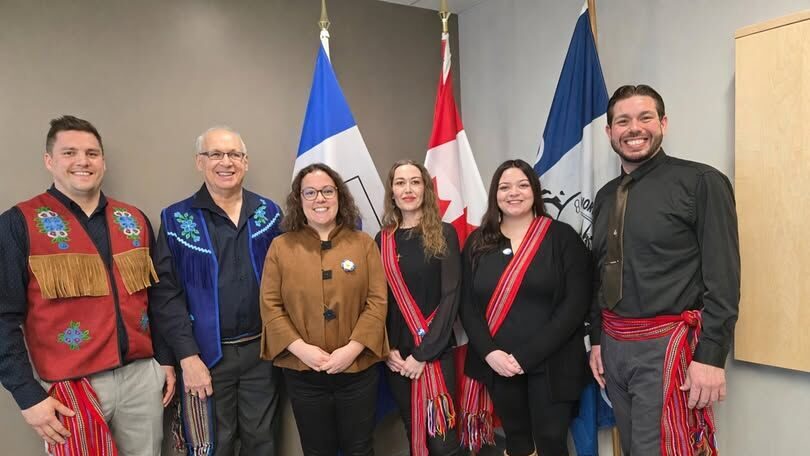

Crown Indigenous Relations Minister Rebecca Alty says negotiations are about to begin with the North Slave Metis Alliance on potential agreements on land, resources and self-government.
“We will begin negotiations this week with the North Slave Métis,” said Minister Alty at an event this weekend in Yellowknife celebrating Indigenous Peoples Day.
The government is currently in negotiations with the Northwest Territory Métis Nation, the Acho Dene Koe First Nation, the Akaitcho Dene First Nations and the Dehcho First Nations for land, resources and self-government agreements
In December 2025, the federal government specifically recognized the North Slave Métis Alliance’s Aboriginal rights under section 35 of the Constitution Act.
Section 35 of the constitution outlines rights of Indigenous groups to self-governance, customs, traditions and land along with rights for hunting and fishing.
Section 35 was not initially part of Prime Minister Pierre Trudeau’s initial proposal in 1980. Back then, Indigenous groups in the country said they were not consulted about the new constitution, which originally had few references to Aboriginal rights.
At that time, Indigenous groups across the country became concerned about how the transfer of constitutional powers from Britain to Canada would affect established agreements on rights and title with the Crown.
They worried these agreement would lose legal validity. Indigenous groups also had concerns the constitution could overstep their autonomous decision-making abilities at a federal level. They worried the constitution was another attempt to assimilate and patriate them.
Since that time, Indigenous organizations and activists have called for their title and rights to be explicitly named in the Constitution.
In February, North Slave Métis Alliance President Marc Whitford welcomed the formal recognition within the constitution, saying it would strengthen the group’s rights to lands and governance.
“This recognition affirms the historic and ongoing presence of the North Slave Métis on our traditional territories and strengthens our ability to govern in accordance with our laws, traditions, and practices,” said President Whitford in a statement released earlier this year.
Minister Alty said the recognition would build a better relationship between the North Slave Métis Alliance and the federal government.
“Together, we’re laying the foundations for a stronger relationship grounded in trust and respect, and creating the conditions necessary for real partnership,” said Alty.
In February, Minister Alty introduced Bill C-21.
If enacted, it would officially activate the first self-government Treaty with a Métis Government in Canada, the Red River Métis Self-Government Recognition and Implementation Treaty.
The recognition of these rights would be unprecedented in the country and could have major implications on the relationship between Indigenous groups and the federal government.
Métis leaders say the Treaty is an important step toward Reconciliation and would have implications not only for Red River Métis citizens, but Métis groups across the country.
The Assembly of First Nations has vocally opposed the bill.
As of April, the act moved to its second reading in the House of Commons.
At that time, AFN Chief Cindy Woodhouse Nepinak said the legislation could potentially have implications on First Nation and Inuit lands rights and agreements.
“The Treaty Agreement outlined in the Bill was made without any consultation with First Nations, despite having major implications for First Nations lands and territories in Manitoba and beyond. The undefined territorial scope of the Red River Métis within the Bill would set the stage for expansive Métis jurisdiction over areas that conflict with the existing rights and jurisdiction of First Nations.”