
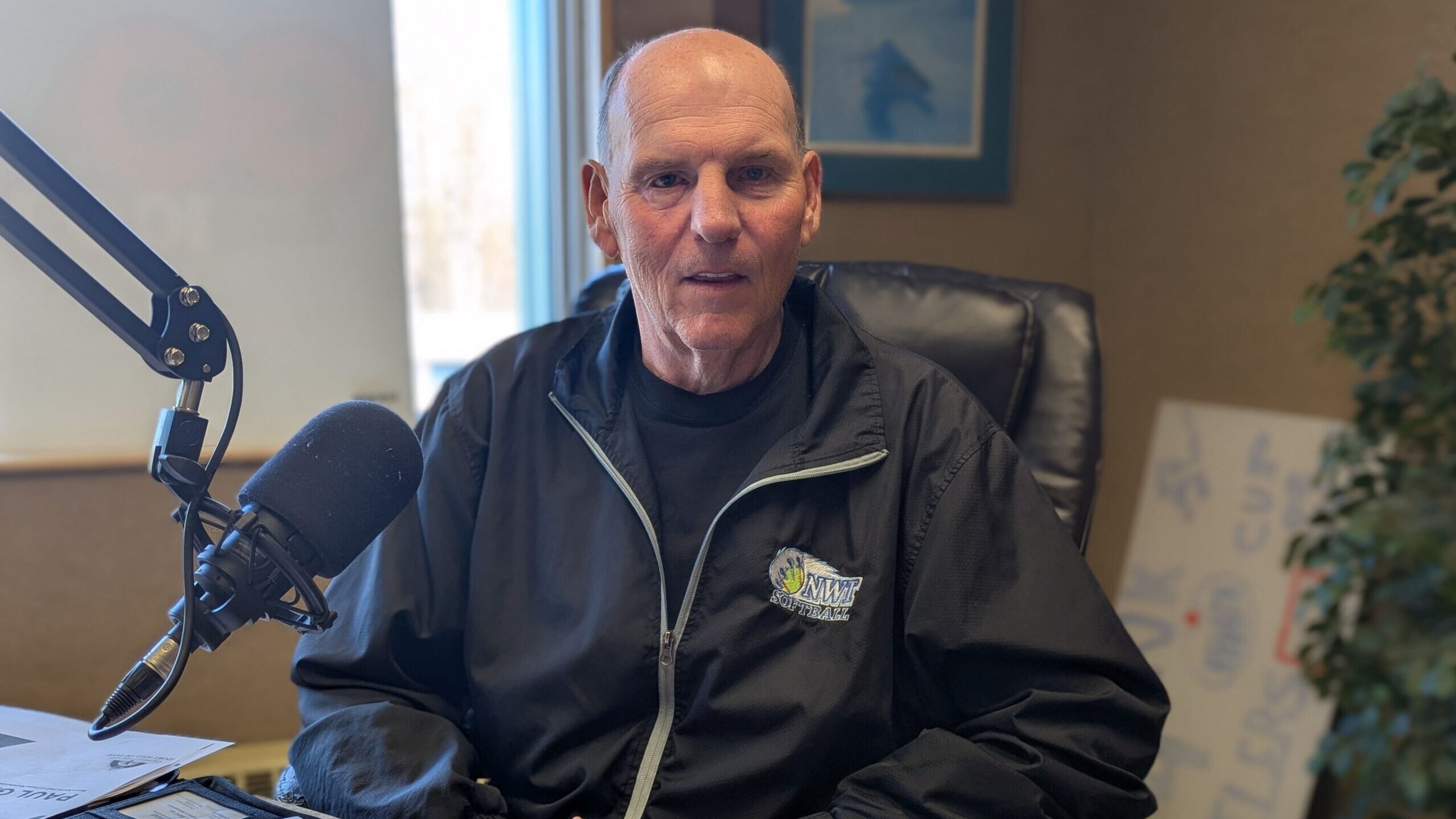

It’s been more than 50 years since Paul Gard first burst onto the softball scene and the legendary pitcher and batter is still going strong. Fresh from being inducted into the NWT Sport Hall of Fame this weekend, he says it was his love for sport and the opportunities he saw sports could give other youth moving forward that fueled him forward.
Across the span of four decades of active softball playing, from the 1970s into the 2010s Gard hit awards and top placements. From early in his career, he picked up national championships, including helping his team to win gold at the Canadian Senior A National Championship in 1981. Gard helped bring home medals at each of the masters games he competed in from 1998 to 2013.
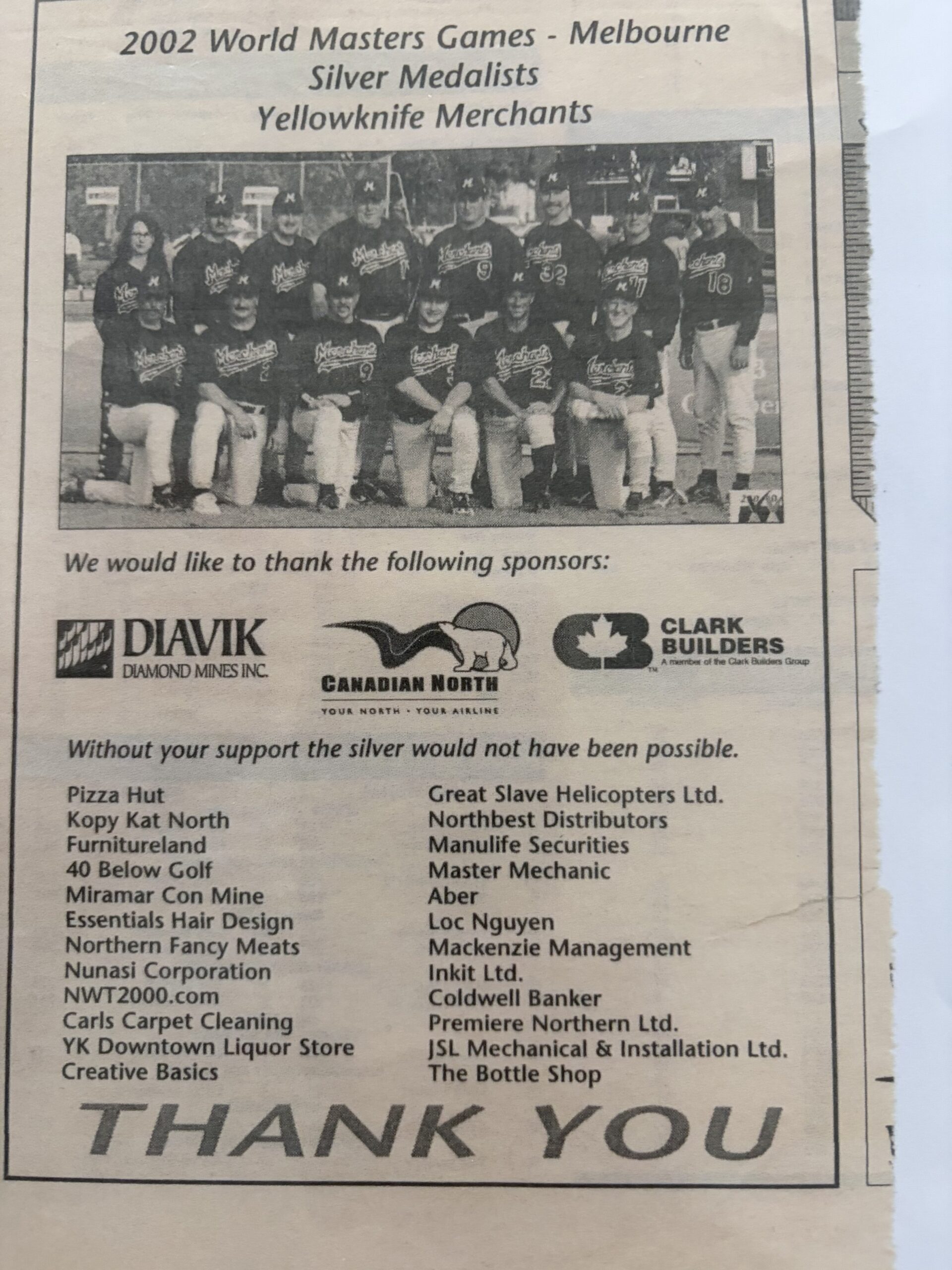
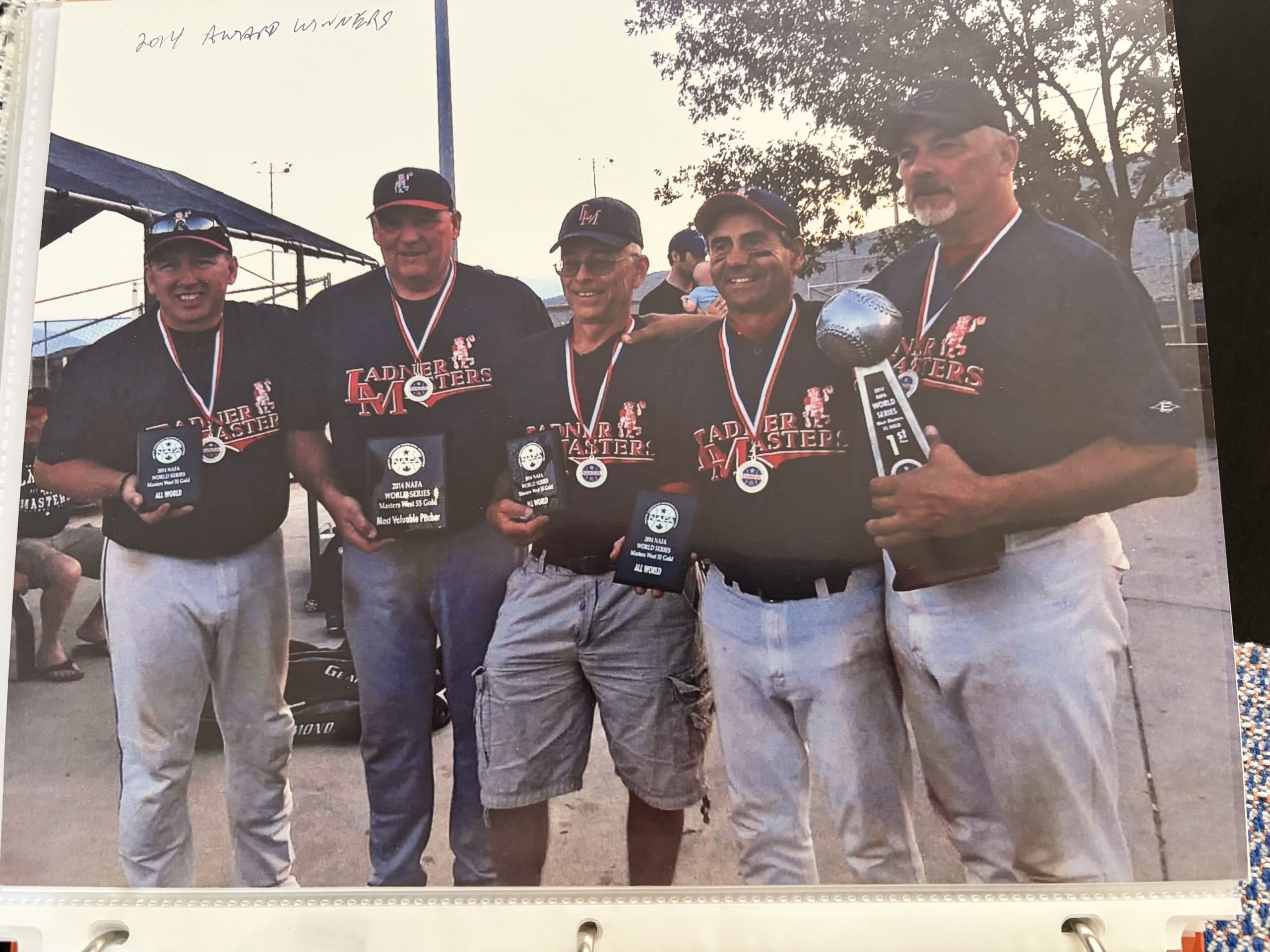
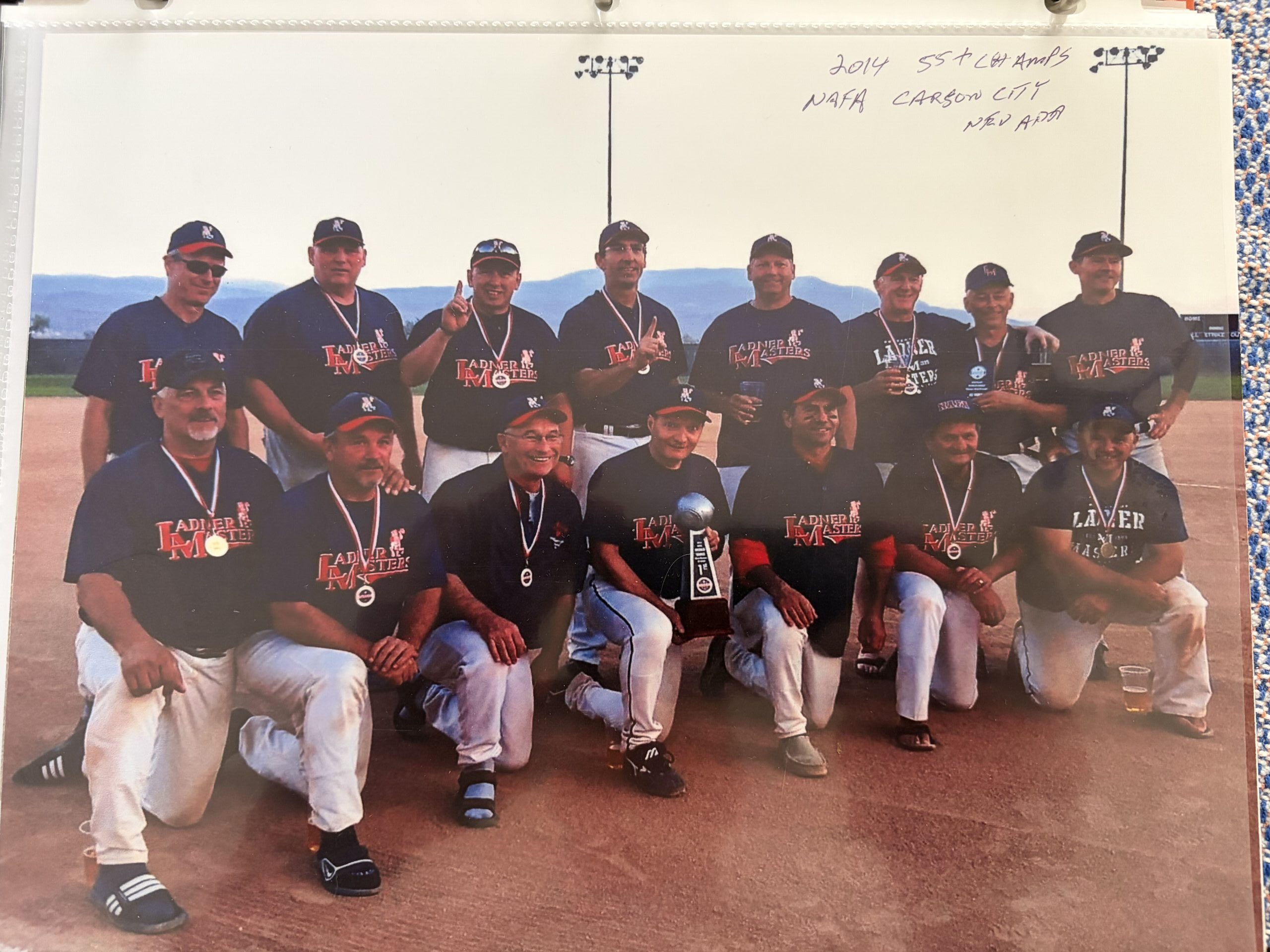
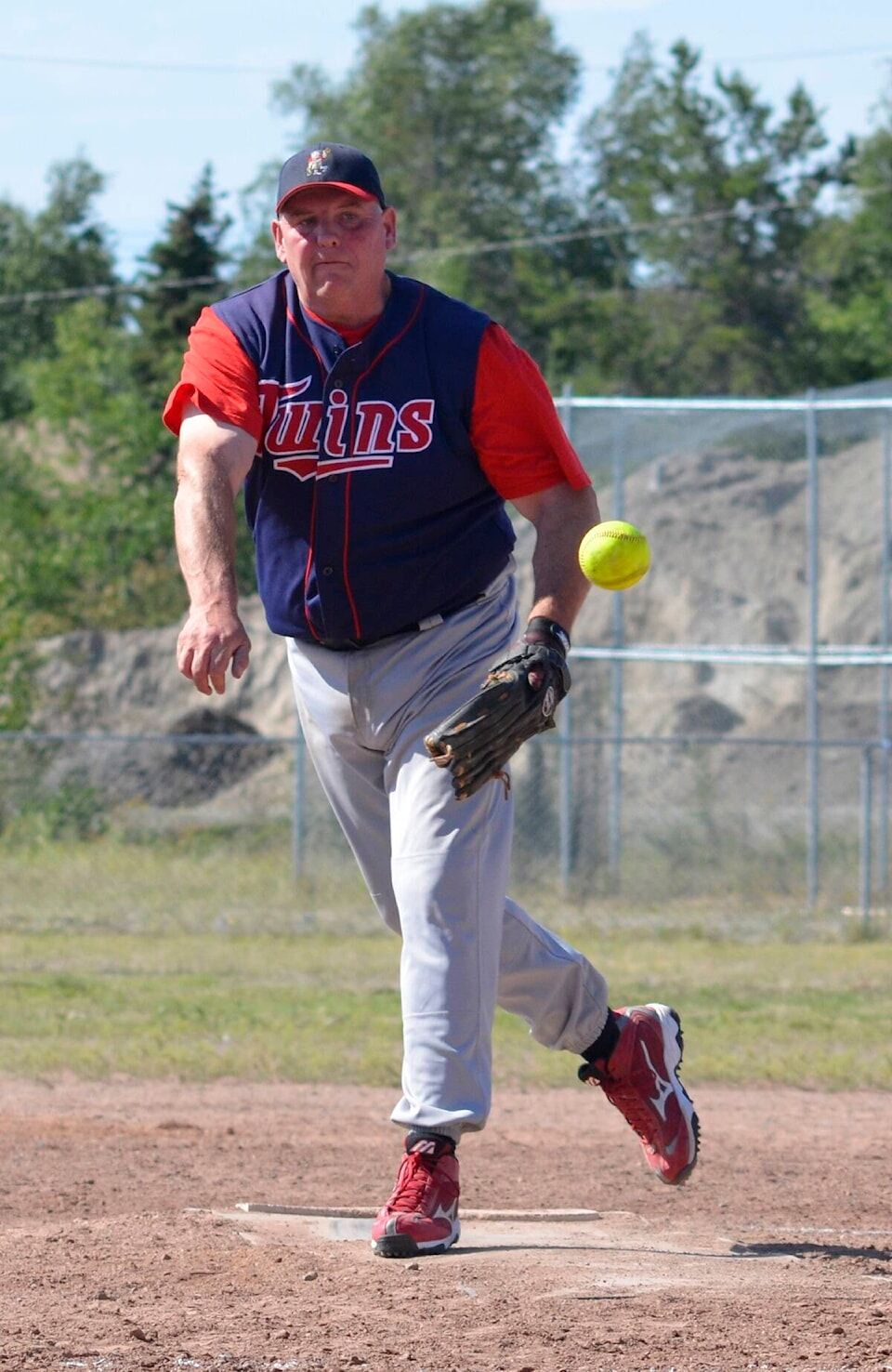
While Gard was named Most Valuable Pitcher at the 2014 NAFA Masters World Series winning a gold medal, it’s the journey and the highlights along the way Gard talks about.
One of those stories is how his team came painfully close to winning gold in a final game with a team from Ontario at the World Masters in Turin. It was the moments before the game that still stand out most to him when the national anthem of Canada played.
“That got my heart muscles going because you know, we’re playing a Canadian team in a final that’s a series Championship, right?”
Daughter Dana Gard Sweeney explained her dad’s accomplishments extend far beyond trophies and statistics.
“What stands out to me as his daughter is how he balanced being a fierce competitor with being a role model. On the field, he was one of the best pitchers and hitters to ever come from the North. Off the field, he was humble and respectful and committed to giving back,” said Gard Sweeney
Gard was able to help generate not only opportunities for emerging and established athletes but also “pride, respect and excitement” for the athletic community across the North.
The longtime legendary athlete, coach, mentor and sports advocate says it was the greatest honour of his career to stand among the latest and greatest inductees at this year’s NWT Sport Hall of Fame.
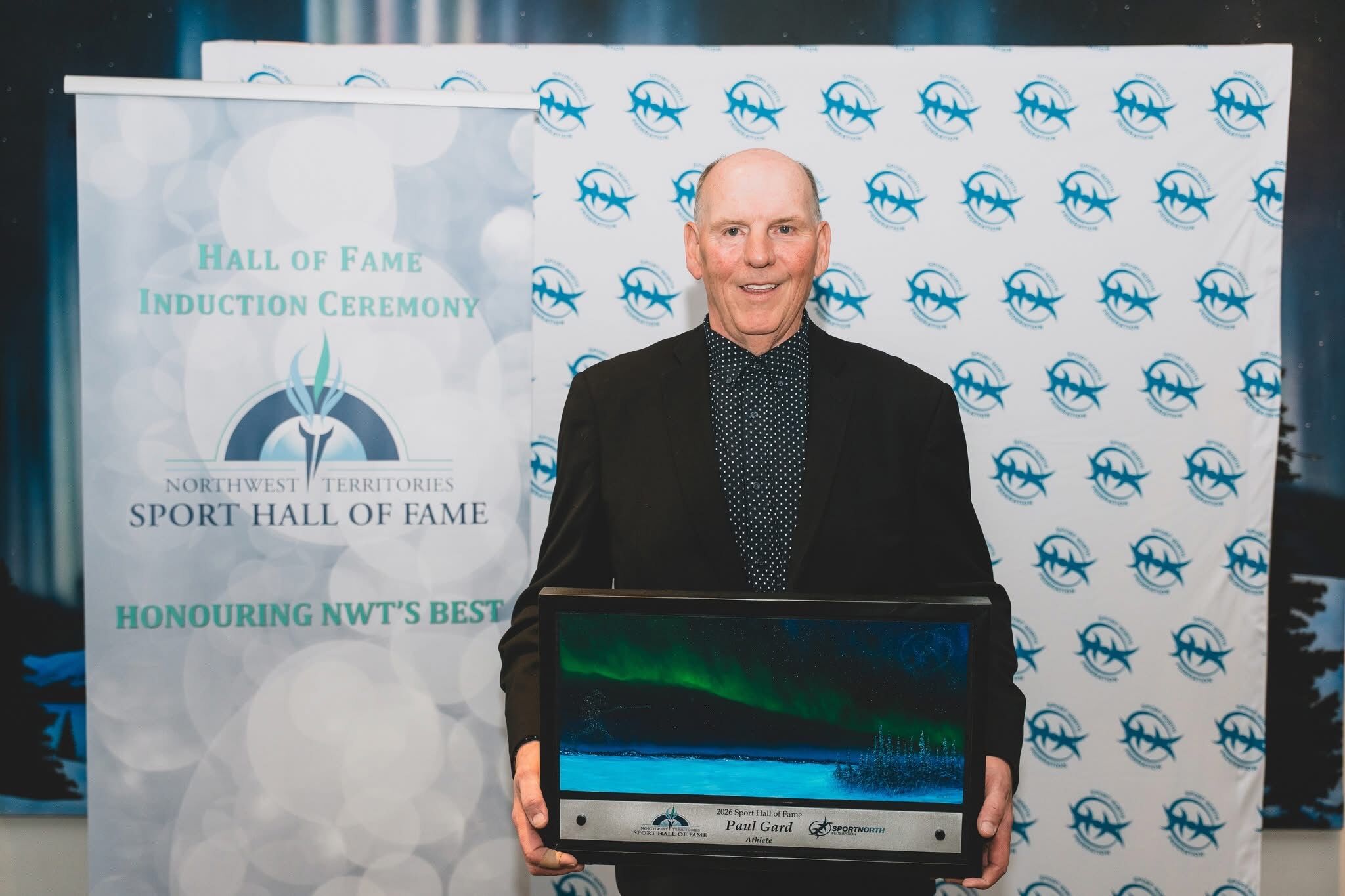
“It was a great honor for me to go into the Hall of Fame this year, especially along with Robert Beaulieau and Jeannie Mathison so it makes it very special,” said Gard.
“When I first moved to the territories I watched [Beaulieau] play hockey and come north, playing ball with big teams out of Alberta because he was going to University. College in Edmonton and Calgary U of A and U of C playing hockey at their schools and then playing fastball in the summer for Alberta teams,” reflected Gard.
Beginning of a “new future”
Gard first moved to Yellowknife back in the 1970s.
“My mother and I, my stepfather Ben and my stepbrother Sean we left London Ontario in a ‘64 Pontiac station wagon, and I was told we’re moving to Yellowknife. We drove across the country and I remember getting to the Ice Road. It was early April. It was just after the first Arctic Winter Games were held in Yellowknife in 1970,” reflected Gard.
These were the days long before the construction of the Dehcho Bridge on the Mackenzie River.
“So there was water on the ice, and we were sitting there in the car, thinking ‘my God, we can’t drive across that Open Water.’ And after about 15 minutes, a semi truck pulled up beside us because [the road] looked like it was open according to the signs. The semi truck drove by us onto the ice to cross the river at McKenzie River, and we said, ‘well, I guess the ice is safe.’ So, we drove across with our windows open and about eight to 12 inches of water on the ice, but we made it across safe and sound, and sure that was the beginning of the new future.”
In those days there was no designed space to practice during the cold season, a long winter lasting more than half the year in Yellowknife.
Athletes in the southern parts of the country, had longer practice seasons, that translated to some advantages but spring and summer in the North, brought longer days.
Despite the challenges, Gard says the close knit nature of the Yellowknife community made up for what some athletes might have defined as a deficit.
Gard remembered there was tremendous support throughout the territory for sports teams, which was very encouraging and nurturing for emerging athletes.
On the Diamond
For Gard, being in the North meant a chance to play long hours on the field with nearly endless sunlight extending almost right around the clock around the summer solstice.
In the 1970s when Gard first set foot on the diamond, fastball and softball were hugely popular sports.
Gard said he “grew up” on the Tommy Forrest Ball Diamond in the days long before the ball park got state of the art renovations unveiled a few years ago.
As a bat boy Gard remembers watching a showstopping game that really showcased the immense talent coming from the North.
“In 1974, they sent a junior team to the national championships from Yellowknife to Ottawa, Ontario. And one of my best friends, Rod Stirling, was like 15 years old on that team and another buddy Steve Vallillee was 16 on the team. Well, lo and behold, didn’t they win the Canadian Junior Nationals.”
They became the first ever Canadian Junior under 21 Men’s softball champions.
It was the first ever national championship held in the country and the N.W.T. team was able to capture a big win at that unprecedented game.
Ray Gagnon one of Gard’s early coaches, great friend, teammate and personal catcher through the mid 80’s until late 90’s was the captain of that 1974 junior team and scored the winning run in the final to secure the national championship.
“There was big parade for them and community celebration event. That was the first team, and I think the only large team sport that has won a national championship at that kind of level, so that was great incentive for the next group of players to work hard and with good coaching they could do it as well.”
A couple of years later, Ray along with his team mate Ron Lehman coached the 1976 junior team and Wayne Jeske also from the 74 team pitched along with Gard who was playing in his first ever Junior National Championship in New Brunswick.
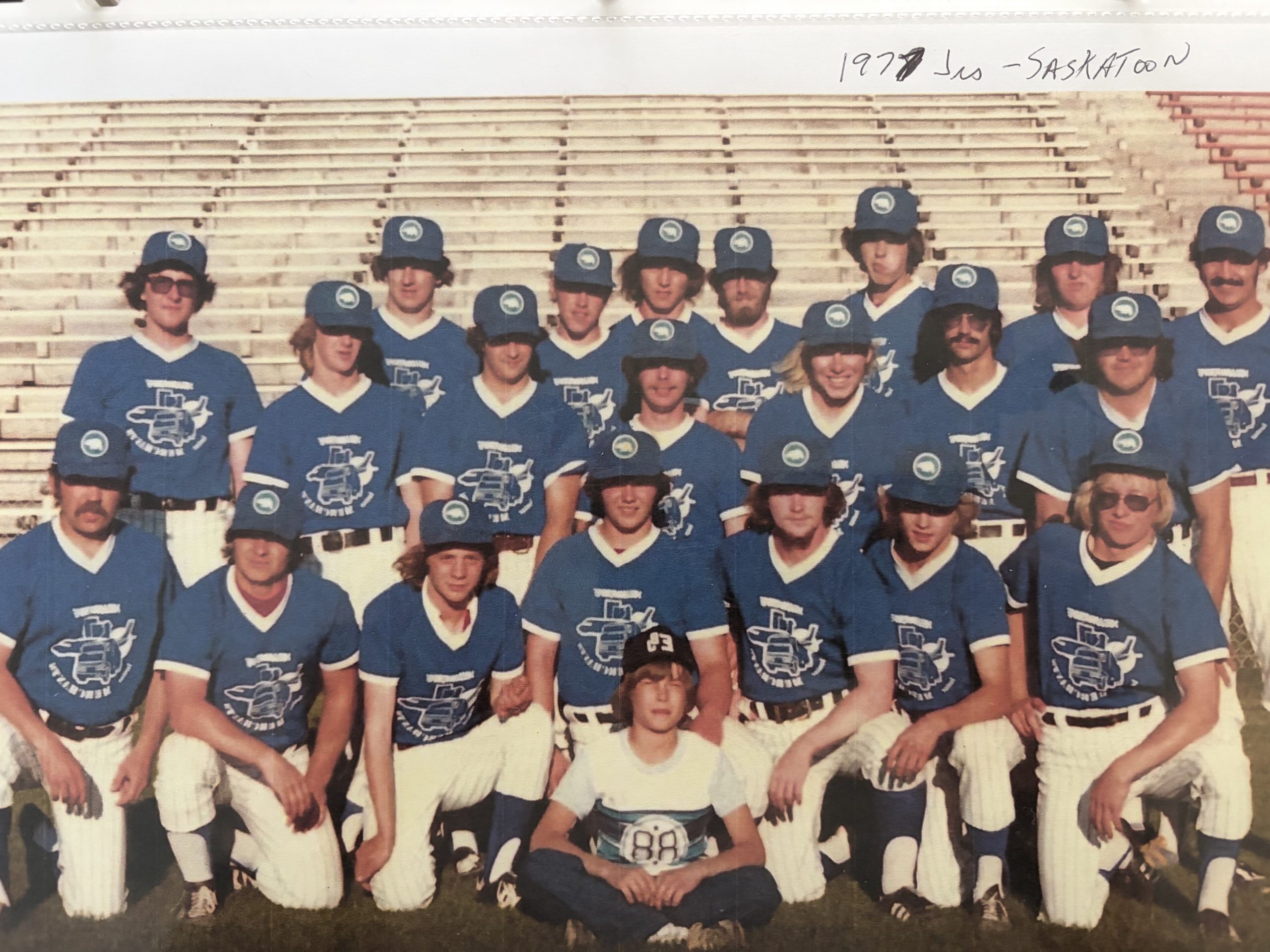
Ray Gagnon and Dave Muirhead were coaches with Adam Pich manager in 1977 when the juniors went to Nationals in Saskatoon.
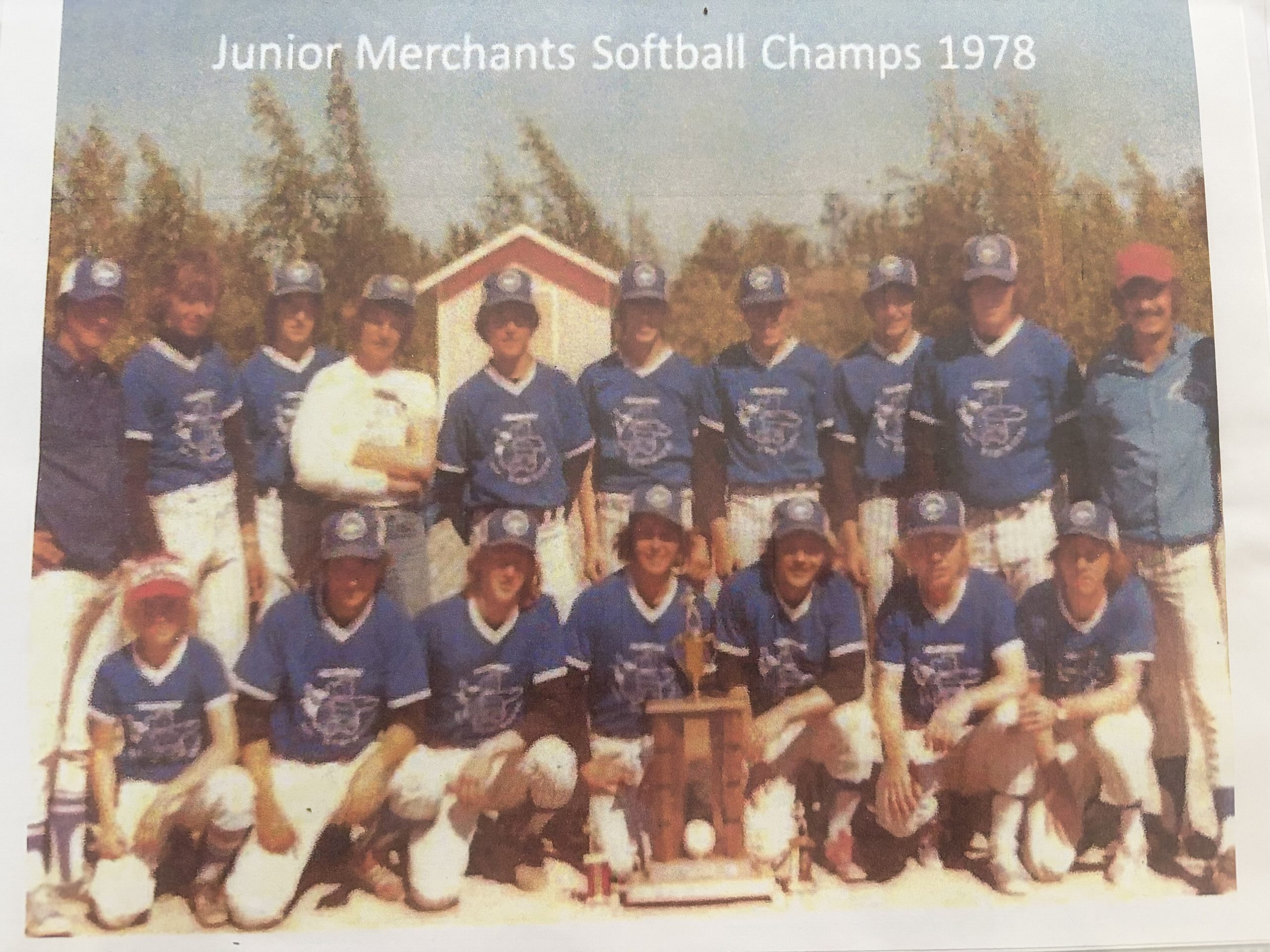
In 1978 the juniors travelled to St John’s Newfoundland with John Suliak and Adam Pich coaching that team.
Doug Bothamley and Dennis Milligan were the coaches of the 1979 Junior Merchants. Andy Tereposky joined Gard on the pitching staff of the junior team for the Junior Nationals in Richmond, BC where the team settled for the Silver medal losing an extra inning game to team Ontario 3-2.
Gard was named a tournament all-star pitcher and teammate Scott Alexander was named all-star first baseman.
Just a couple of years later Gard was playing with the Edmonton Crown Well Oilers along with Ron Lehman and their team won the 1981 Senior Mens National Championships in Ottawa. They were the first Alberta Senior Men’s Fastball team to ever earn that honor and the team was put in the Alberta Softball Hall of Fame.
“A great place to grow”
In those days the athletes did a lot of organizing to help build sport.
“We had Lynn Fowler, who’s also in the sport North Hall of Fame as a builder, a mega guy behind the starting of broomball in the Northwest Territories in the development of it, and the all-Star teams in the men’s and ladies—and running bingos. We ran all kinds of bingos for that to fundraise. Everybody got together, and it was, if you wanted to be part of the team, you had to commit to be there. Whether it’s volunteering, fundraising, whatever it took, you know, trying to get corporate sponsors and it was a real community effort to to make it happen. That’s what I take the most pride in, I guess when we went and represented. We played with a lot of pride.”
Gard said travelling to places to play he took a lot of pride in telling people he was from the N.W.T.
“It was just a great place to grow up and get many opportunities,” said Gard.
During high school Gard took on a few part-time jobs where he had some wiggle room for traveling over the summer.
“Playing more higher level Junior and Senior ball, I was driving fuel truck in the winter for the first few years, and then in the summer, I had lots of time to go play ball and and I worked hard in the winter and then it led into an opportunity. To go to Edmonton and play Senior A fastball in 1980.”
Three years after completing highschool Gard was picking up speed and the game was opening more opportunities.
“My mom asked me or told me basically, well, if you’re going to go to Edmonton, you got to go back to college.”
While Gard was hesitant to go back to school, he committed to study while playing Senior a fastball in Edmonton.
Gard returned to Yellowknife in the spring of 1984 with a Business Degree from NAIT and began his full time financial career as a Finance Officer for the Medical Services Branch of the federal government in the fall of 1984 and obtained his CGA Accounting designation in 2000 while working as the comptroller at the Workers Compensation Board.
He met his wife Brenda in 1985 and they were married in the spring of 1989 in Vawn, Sask.
Their daughters Dana and Tehnille have also experienced representing the N.W.T. at Territorials, Arctic Winter Games and National levels in various sports over the years as well.
Gard explained that sports are way that can really open opportunities for athletes beyond the diamond, while also enriching their lives and building lifelong skills.
Gard pointed out that some of the main challenges for emerging athletes now are costs associated with competing, which plays into dwindling numbers of participants in comparison to previous years. Despite the fact that Yellowknife was about one quarter of the size it was when Gard first moved here, there is a fraction of the players for some sports including softball.
“My daughter found a book at the garage sale, or I think it was one of the flea market type things, from the Yellowknife slow pitch Association from 1988. Back in 1988, they had over 37 teams in the Yellowknife Slow Pitch League and various divisions, and that so, and they’d compete against Inuvik, Hay River, Fort Smith, Fort Simpson. All these communities had teams, so I think it’s for softball and slow pitch the numbers are sort of dwindling in terms of competitive teams”
During the pandemic, Gard together with N.W.T. Softball and MACA accessed funding to develop a training facility. Gard contacted a local company called Pack Rat and was able to organize a sports space at one of their buildings for pitching, training and batting.
The facility is located behind the Lakeshore Co-op. “Years ago, it was a Sears building,” remembered Gard.
Soon after, NWT Hockey, NWT Softball and Aboriginal Sport joined in. The space holds coaching clinics as well as serving as an all seasonal training facility and practice area.
The 1985 Canadian Nationals was the last time an team from the N.W.T. ever competed in the Senior A national championships.
This summer that will change, explained Gard who was on that team and will be rooting for the Yellowknife Merchants. The team is heading to Saskatoon in July to play in the championships.