
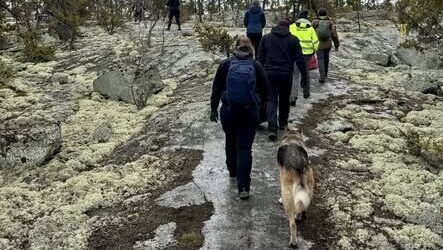

“The North is a rough country to be in. If you’re not prepared to go out in the bush, my advice would be stay home because if things go sideways, one bad thing multiplies and multiplies until you’re in serious, serious trouble. And this is just somebody out for a dog walk,” says Tom Girrior, an instructor and volunteer search co-ordinator with Yellowknife Search and Rescue.
“Get five miles out of town, suddenly your cell phone doesn’t work. You thought it was, you didn’t take some of the things you thought you were going to take. You’ve slipped, broken ankle, that kind of thing,” adds Girrior.
It can become a major problem very quickly warns the veteran Search and Rescue organizer who first moved to Yellowknife back in the 1970s. He got involved with the organization after falling in love with the fierce beauty of the Northern landscape he found right outside his door.
“When I first came up to Yellowknife, I came up here in 1978. I hated it. So, I watched TV for the first two years,” said Girrior.
Then everything changed when he started getting outside onto the trails.
“I’d camp in the summer time, and then I thought, gee, I wonder if you can camp in the fall? So, I started camping in the fall and I wasn’t freezing to death or dying or anything. I wasn’t being attacked by wild animals, and then I thought. I wonder if you can camp in the winter time — and so I started winter camping and discovered same thing.”
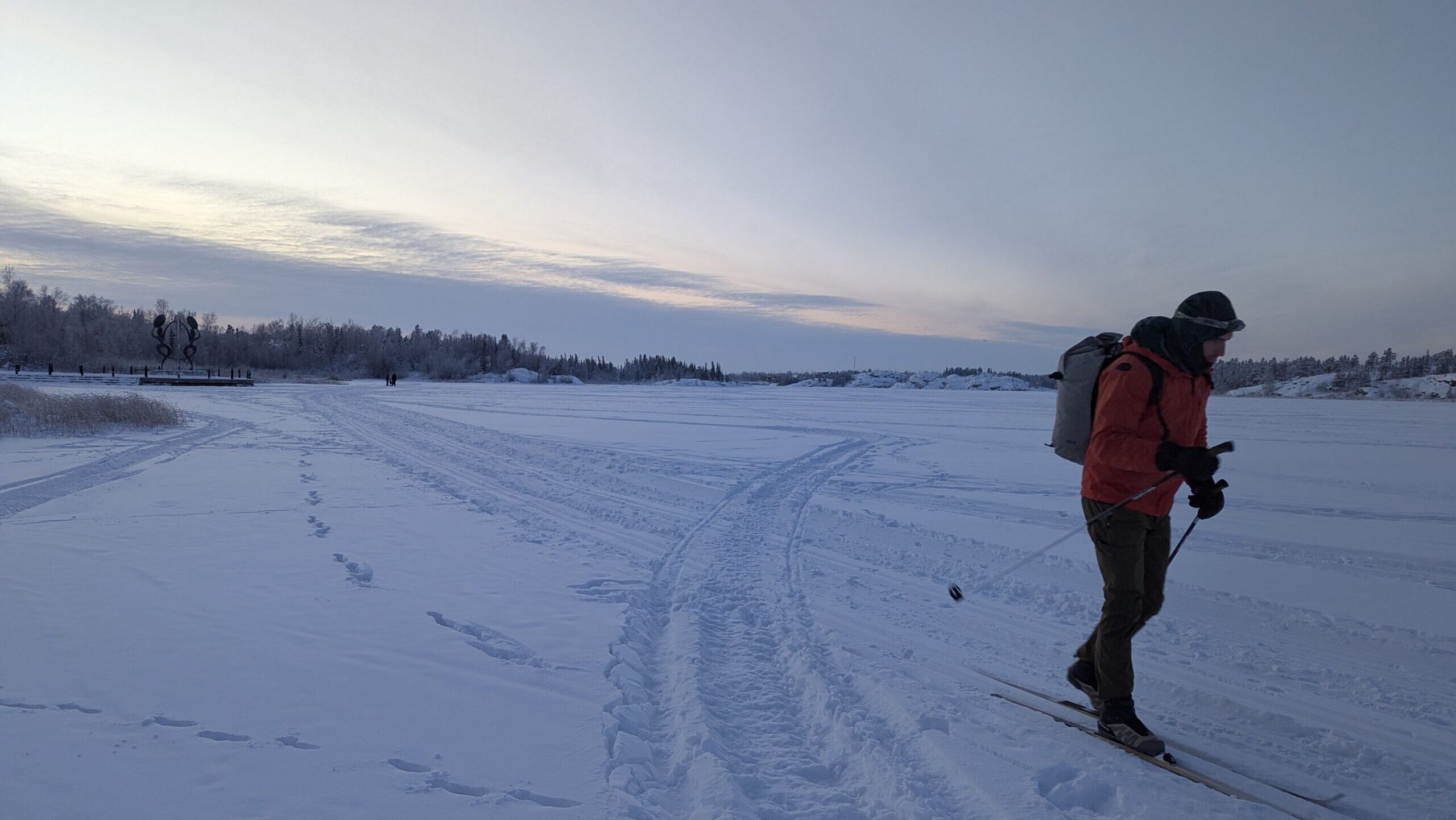
While the landscapes and waterways across the North are spectacular to behold, Girrior warned it’s also important to take precautions. In the winter time, snowmobilers can go for hundreds of kilometers but one wrong turn or a mechanical breakdown could become a big problem, especially in minus 30 degree temperatures.
“If you forgot to tell anybody where you were going, it could end up not being a happy day for you. There’s lots of bush camps up here that are way outside of the city. So, you have to be careful,” said Girrior.
The warmer months can also be dangerous, as wind and water currents along with a host of other conditions can change very quickly warned Girrior.
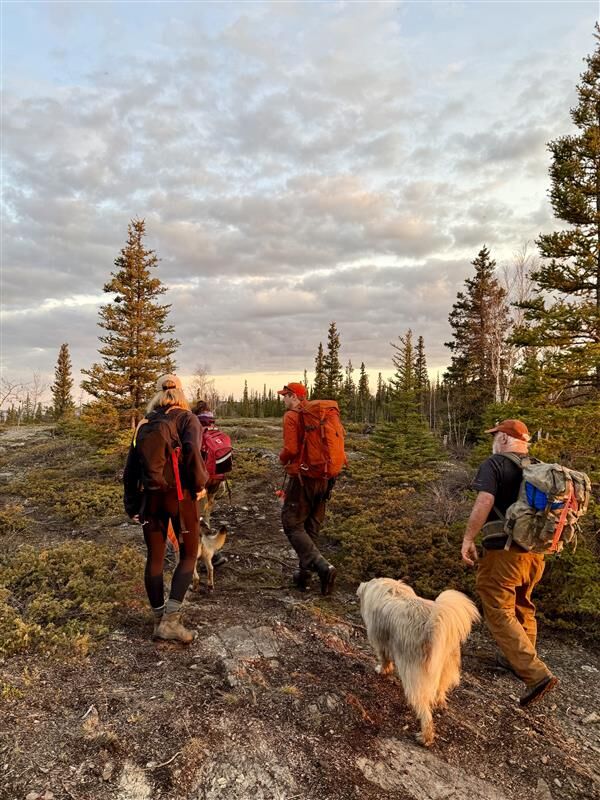
After falling in love with the wild North, Girrior became involved with Yellowknife Search and Rescue, a volunteer-run organization that helps to support search and rescue operations in the territory. Their members train year-round to help them respond to emergency scenarios in the N.W.T.
Their training courses bring together the techniques and strategies for search and rescue missions under the unique challenges of the Northern landscape.
“We teach people how to navigate the bush. That’s a big component of being able to search, just being able to actually navigate to where you want to go,” said Girrior.
While a “beginner” course is being offered in May, Girrior said that those who take part in the course often have already developed a set of skills that come with spending time out on the land.
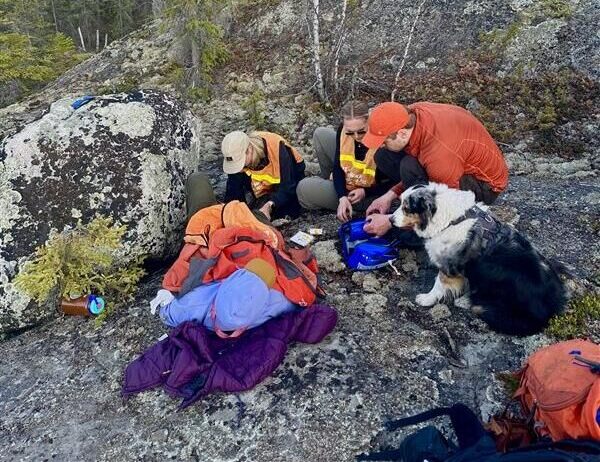
Search and Rescue has developed a tool set like how to build a fire.
Some key strategies are simple but can save lives.
“Let’s say you want to go out on a hike and you’re going into an area that you’re not familiar with. So strategies that you typically follow are you’d leave a plan of what your activity is going to be. What you’re going to do, you’re going to hike fish overnight tenting.”
If something were to happen, a starting point for a search would have been established.
If you get lost, the first thing to do advised Girrior is to stop.
“What do you do when you realize that you’re lost? Well, you know, stop. Take 10 deep breaths. Get the pulse rate down. And kind of calm yourself and realize that maybe you don’t know where you’re at, but you’re not really as lost as you might think.”
The next big key piece of advice is stay put, says Girrior.
“People know you’re on a trail. Why leave it and try to bushwhack your way out of the bush? If you’ve left a trip plan, we generally know where you’re going to be, so stay there. And that’s probably the best advice you can get. Stay put, we’ll come looking for you. We say that to people who snowmobile and canoe all the time. Searchers are going to be looking for your snowmobile. They’re going to be looking for your canoe once they find those they’ll start a more intense search in the immediate area, so don’t leave it and try to walk out. Just sit back, enjoy nature, you know. We’ll be out looking for you pretty quickly. “
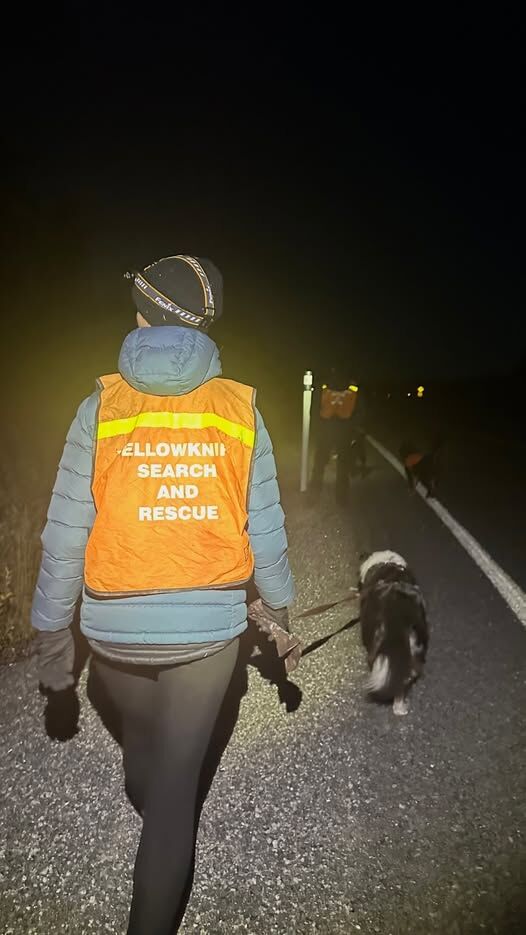
Amanda Herbert with Yellowknife Search and Rescue said the basic Arctic searcher course aims to teach the basics of search and rescue, for those who want to “get their feet wet” and build critical life saving skills.
“This course is designed for anyone interested in contributing to search and rescue operations in the North, whether you’re brand new to the field or looking to build foundational skills.”
Herbert said the course is an “entry point” for folks who are looking to work in an important community role.
“YKSAR relies on trained volunteers who are ready to respond when someone goes missing. The skills you gain in this course are not only valuable in emergencies but can also enhance your own safety and awareness in the outdoors.”
The Arctic Response Basic Searcher Course is scheduled to take place beginning with classroom sessions May 29 to May 31 and field sessions scheduled June 5 to June 7.
Anyone who would like more information can head to the organization’s website