
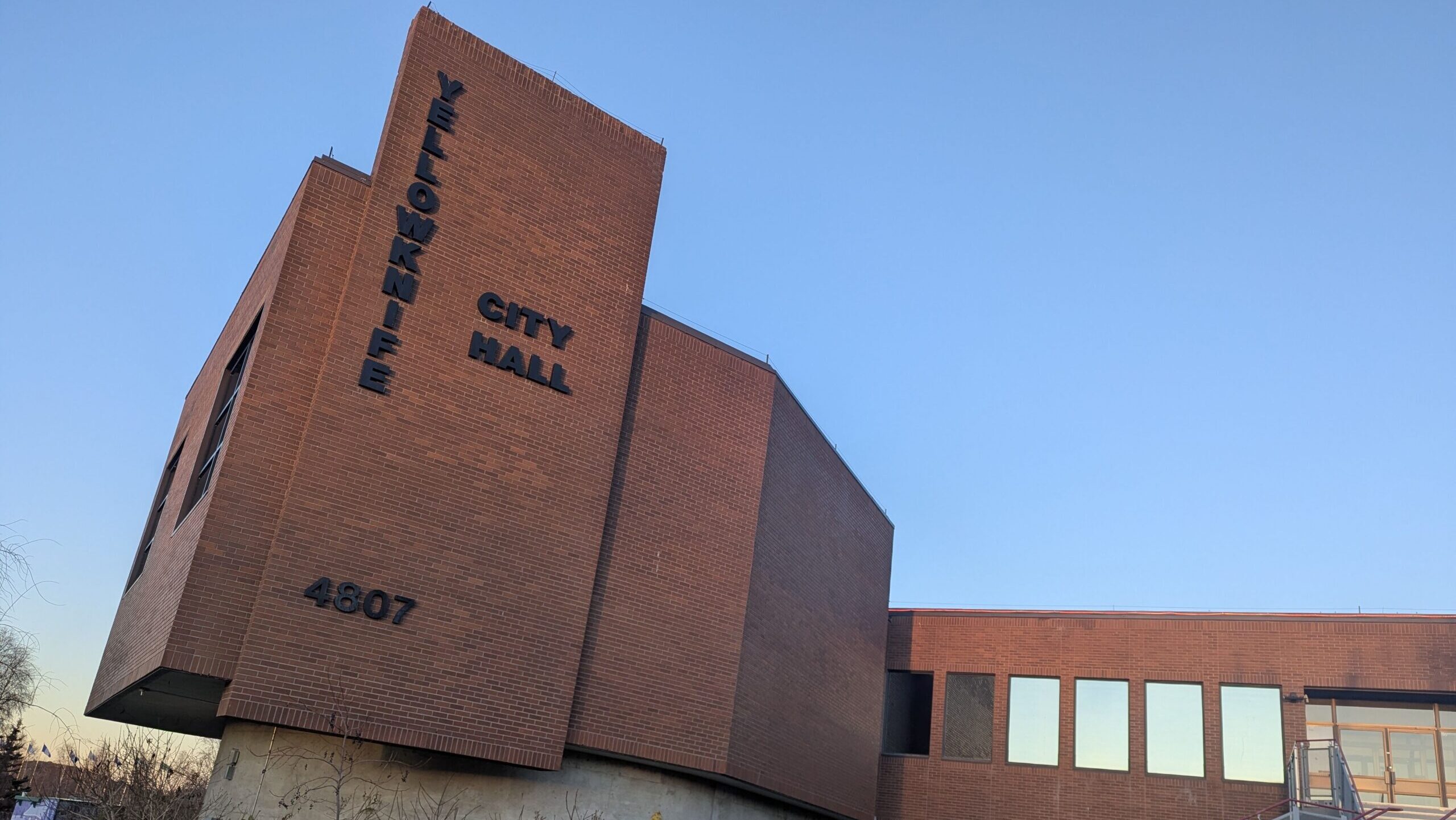

Yellowknife has become the first city in Canada to endorse a proportional representation model for federal elections.
On Wednesday, council voted unanimously in support of the motion put forward by Councillor Tom McLennan and seconded by Councillor Rob Foote.
Last Month, Jeremy Flatt requested that the city endorse a resolution calling for a proportional representation model for federal elections.
At that time, councillors discussed the request. Flatt responded to questions about what other communities in the country had endorsed the system. Council heard that Yellowknife would be the first city in Canada to endorse the alternative federal voting system. Flatt said that some have called it a “more democratic” system.
Flatt said the system promotes democratic principles and practices, and norms because “every vote” would count. Flatt heads a local group in support of the federal voting model because of its focus on proportionality.
Flat said the current electoral system restricts the number and diversity of political candidates. With the current First-Past-the-Post system, the candidate who receives the most votes in a given riding or electoral district is elected as the Member of Parliament. The votes made for other candidates don’t count.
Advocates of this system have said the 2019 federal election is an example of the gaps in the current federal voting system. In that election, about 1.8 million people voted for the Green Party. The Green Party received three seats in turn. About 2.1 million people voted for the Bloc Quebecois party, who in turn received 32 seats.
Flatt said that proportional representation would have particular benefits for the North. Yellowknife was cited as a good place to start because of the way its political system works.
“I think it’s appropriate for Yellowknife, specifically, to speak up on this issue at the federal level because we do not have parties at a municipal level. And as Municipal officials, you will appreciate the value of having a pragmatic approach to government.”
Mayor Ben Hendriksen said that it is important to look at ways of “refreshing” the democratic systems as council.
“If the goal of politics is to build community, common purpose across society relationships among decision makers, and a culture that moves forward together over the long term, then I do believe we need our elected representatives who are willing to do hard work together and not just present to, or support the opposition or the majority. Leadership like ourselves here to meet discuss debate and build relationships across what otherwise from the outset are seemingly contradictory views.”
Hendriksen added that while there are limits to what any electoral system can achieve, a more proportional voting system could help give a voice to voters who did not support the winning candidate.