
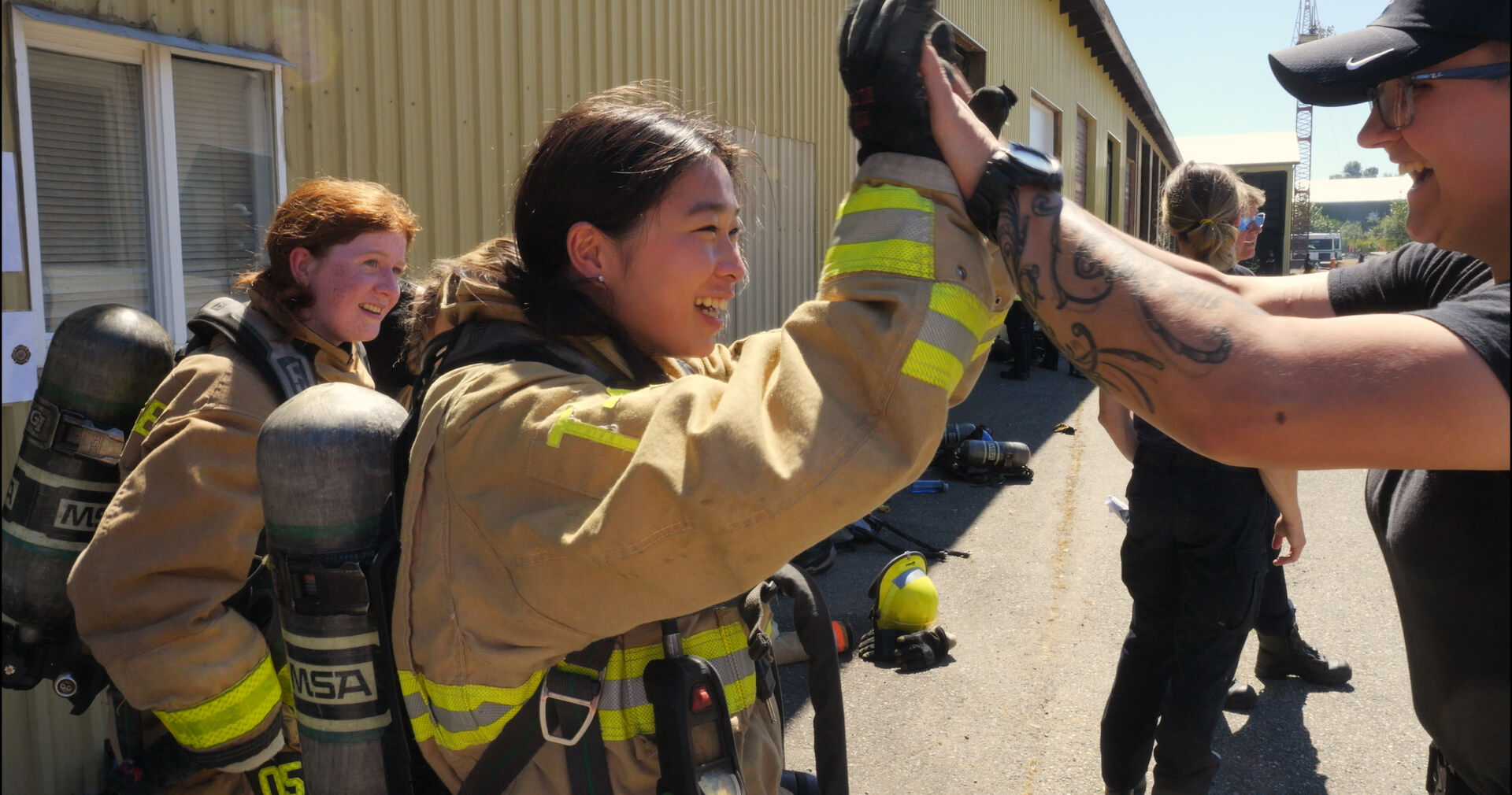
From the devastating 2023 wildfires that saw most of the territory and its largest city evacuated, to the Lytton wildfire in B.C. and the Fraser Valley floods, a new 2026 film focuses on women who embrace community leadership roles as mothers, artists, health professionals at the frontlines of climate disasters.
“Women are disproportionately impacted by climate disasters and yet, they are not represented in terms of shaping climate policy,” said filmmaker Nova Ami.
“Storytelling is a way to actually create the narrative where we can understand what happened. We can feel what happened with other people or even process our own experience and it can be very powerful to help us to understand what happened, to process it,” said filmmaker Velcrow Ripper.
Emergence: Women in the Storm documents the ways women tackle the heavy physical, material, emotional labour of climate change aftermaths. Embodied within the film are the words of these women in first hand accounts and real life up close footage of wildfires and extreme flooding.
The film looks at the impacts of climate change disasters from the lens of women who have experienced the devastation first hand, including women who experienced 2023’s wildfires in the city of Yellowknife.
The filmmakers said that despite women occupying central roles during times of emergency, they’re critical leadership in times of crisis are often unseen or under represented. This was among the reasons why they decided to feature women at the centre of the film’s narratives.
“We decided to focus the lens on women, for several reasons and one of them being that women are disproportionately impacted by climate disasters and yet, they are not represented in terms of shaping climate policy or emergency response strategies. We wanted to gather the wisdom of women and how they’ve been impacted by these climate disasters and really get a perspective from a group of people that are not heard from enough in this space,” said Ami.
The filmmakers said there were many challenges in conveying stories of the women and the multi-dimensional impacts of the traumas they endured. For one, the sheer volume of narratives and footage took time to bring together into one film.
“We had a diverse group of participants in the film and they all had something personal to bring, their personal experiences and perspectives as well as professional, like people who work in emergency management. So the challenge was really being able to form coherent narrative and to be able to go on the journey with them,” said Ami.
“We had so much footage that we spent months and months and months editing the piece but you know, there was so much wisdom that we gathered, that was the challenge was to really pare it down to the essentials,” Ami added.
The filmmakers agreed that the narratives showed a pattern wherein times of upheaval and extreme conflict, women have used those moments to challenge systemic restrictions placed on them.
“One of the things that [participant] Sarah [Kamal] comes out and says is that it’s in disasters that we really see the cracks and the vulnerabilities in the system, we see where it doesn’t support the most vulnerable or it can’t. And one of the things that really comes through in the film, is the importance of community, it’s a massive theme that emerged that, we need to help each other,” said Ripper.
Ripper said the narratives of the women show how important it is to be mindful of people who have been made more vulnerable due to systemic injustice and to help them. By doing that, stronger communities can be built.
“[Kamal] says that we need to be talking to women, we need to be talking to marginalized communities who don’t have a stake in the current system as it is and can shape things in ways that are helpful to those communities,” Ami reflected
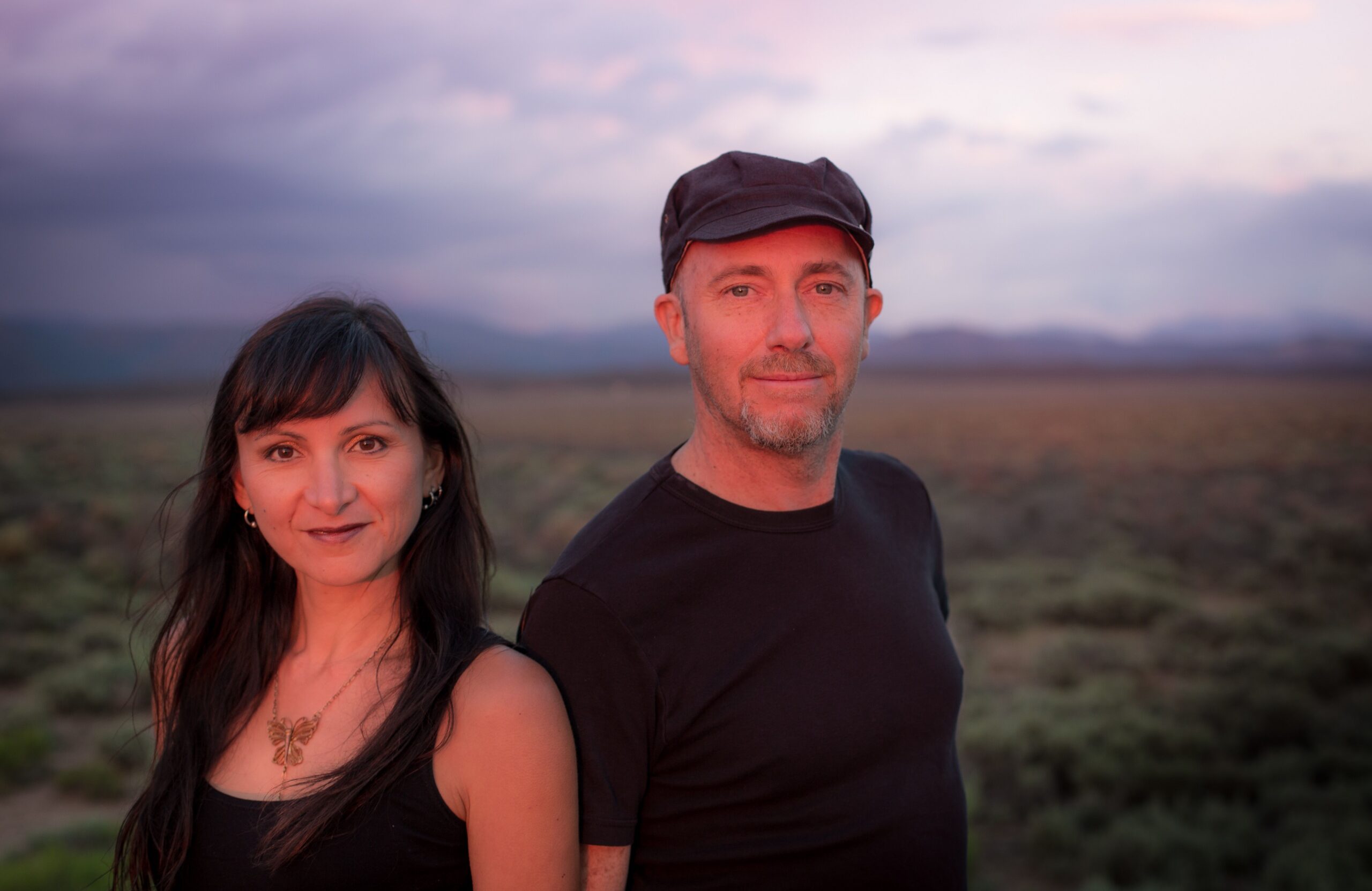
Ripper said the film also actively engages with storytelling as a process of healing.
“One of the things that comes up is a lot of people have this idea that it’s not going to happen to me, it’s like our brains don’t process the fact that this is happening to everyone, it’s the same with the many things in our lives. We always think things happen to other people but not to us and storytelling is a way to actually create the narrative where we can understand what happened. We can feel what happened with other people or even process our own experience and it can be very powerful to help us to understand what happened, to process it,” said Ripper.
“And even within the film, our participants show how storytelling can be healing in terms of processing emotions that occur as a result of these climate disasters,” he added.
Ripper reflected on a scene where Dr. Michelle Superle gathers people from the Fraser Valley who had experienced the flooding.
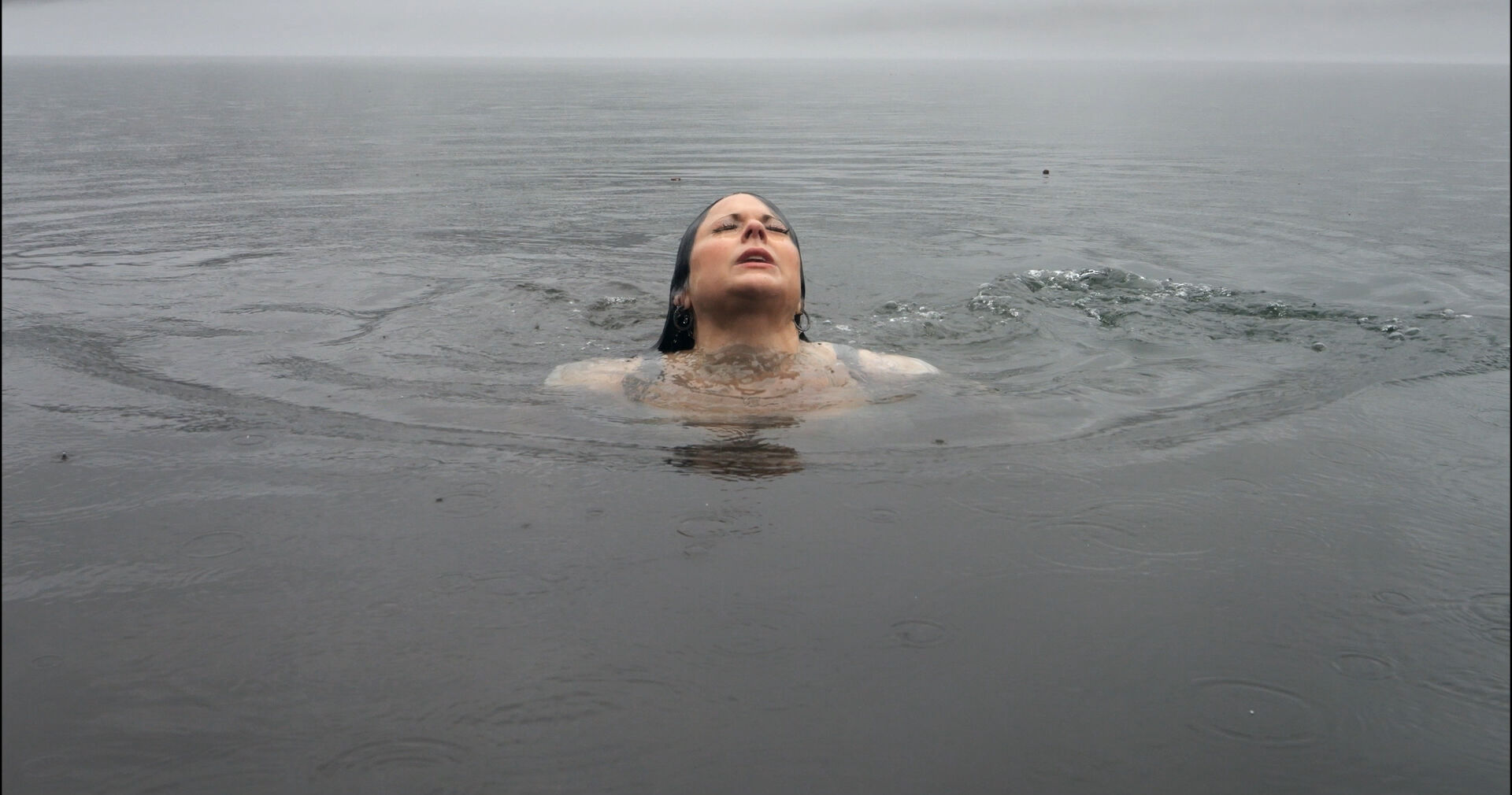
“[Superle] invited them to write stories and create artwork to represent the emotions that they had gone through,” explained Ripper.
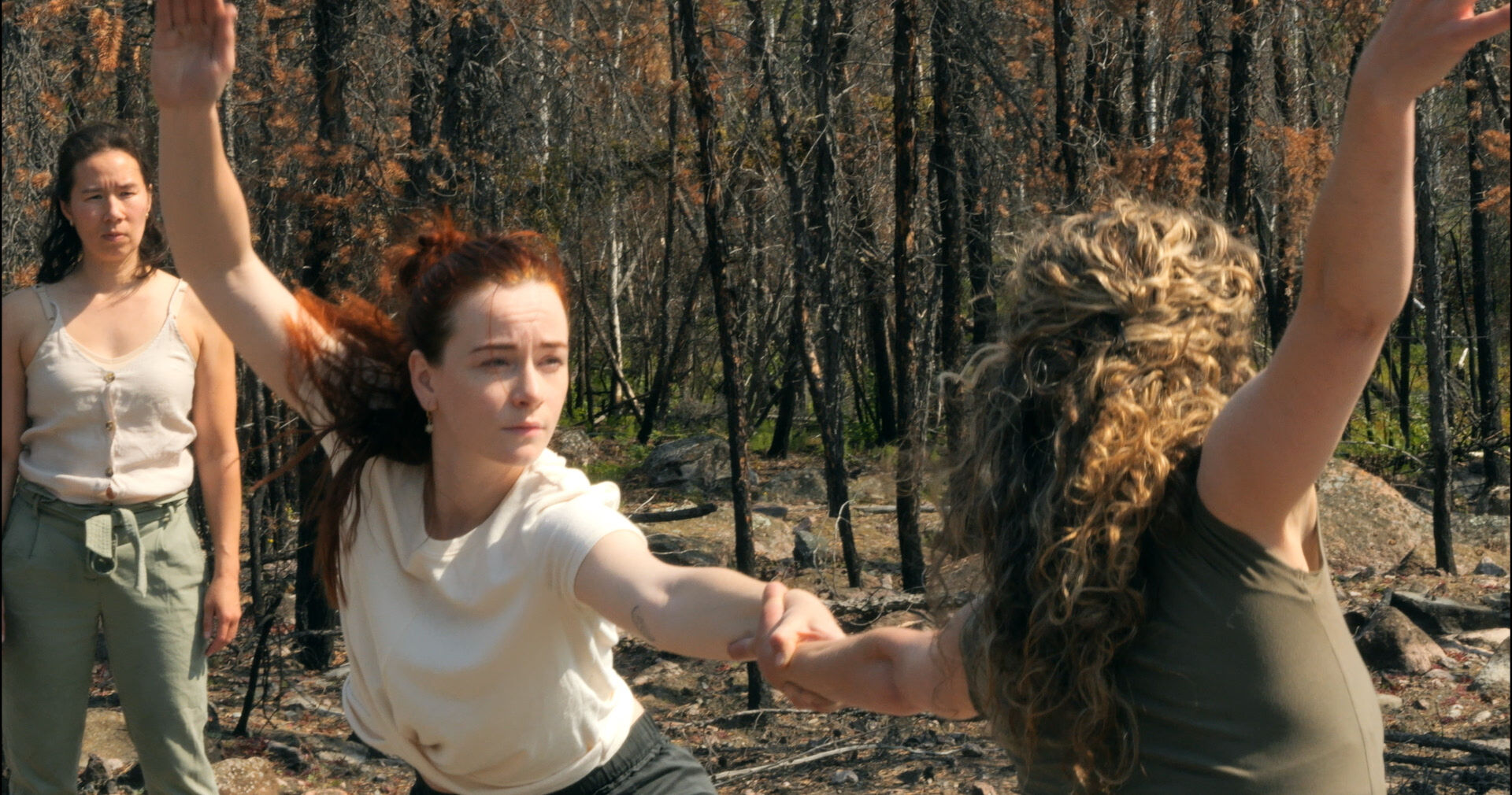
Dr. Courtney Howard, Sophia Grogono and Tomiko Robinson perform “@Tension” an embodied dance in a burnt out forest. Dr Courtney Howard worked as an Emergency room physician in Yellowknife during the wildfires.
“I think part of the idea behind the “@Tension” dance that we filmed kind of behind the scenes of it, but was that it was an embodied way to feel your grief or feel your emotions. And oftentimes, when we’re in a crisis, we’re in a disaster we almost shut down or we numb just so that we can get through it. And it’s not until afterwards that we just sort of unpack and begin to feel into it and art can really help with that process to unlock the things that are inside us, that we’re holding in our bodies that actually, it’s so important to somehow release them and process them so we’re not still carrying them in the same way,” said Ripper.
Ami and Ripper’s film layers the poems, embodied dance performances, spoken narratives and real life footage of the disasters into testaments of resilience “in the face of an uncertain future.”
“That is their way of processing what they went through during the Yellowknife evacuation, and then we have poet Meghan Fandrich who actually before the Lytton fire, where she lost her village and her cafe within that village, had never written poetry before and started writing as a way to process her grief from that fire and in doing so found community by sharing her poetry and realising that she wasn’t alone in her grief,” said Ami.
In the film Fandrich, an entrepreneur and mother reads her poems from Burning Sage: Poems from the Lytton Fire. In the words of the survivors and witnesses, the stories carve a pathway of “resilience, healing and hope” in how to navigate and live in what has become the “new reality” for communities across the country.
The documentary has been travelling across the country for screenings, including some of the communities represented in the film.
“It’s been really amazing to see the response because communities,” said Ripper.
“Oftentimes after the film people come up to us with tears in their eyes and have had a kind of powerful cathartic and almost transformative experience with the film. So it’s been really, really touching people,” added Ripper.
The filmmakers have begun screening the film and have been approached by participants and audience members about that experience as also being transformative.
“They’ve all seen it before but seeing it in community it’s very, very different. And they’re all really excited about continuing to participate in the release of the film, getting it out. We actually really hope to show the film in Yellowknife as soon as we can arrange a screening and see it with the participants from there and the community,” said Ripper.
The filmmakers said that a screening is in the works for Yellowknife. Anyone who would like to know more about the film and future screenings can head to https://emergence.film/