


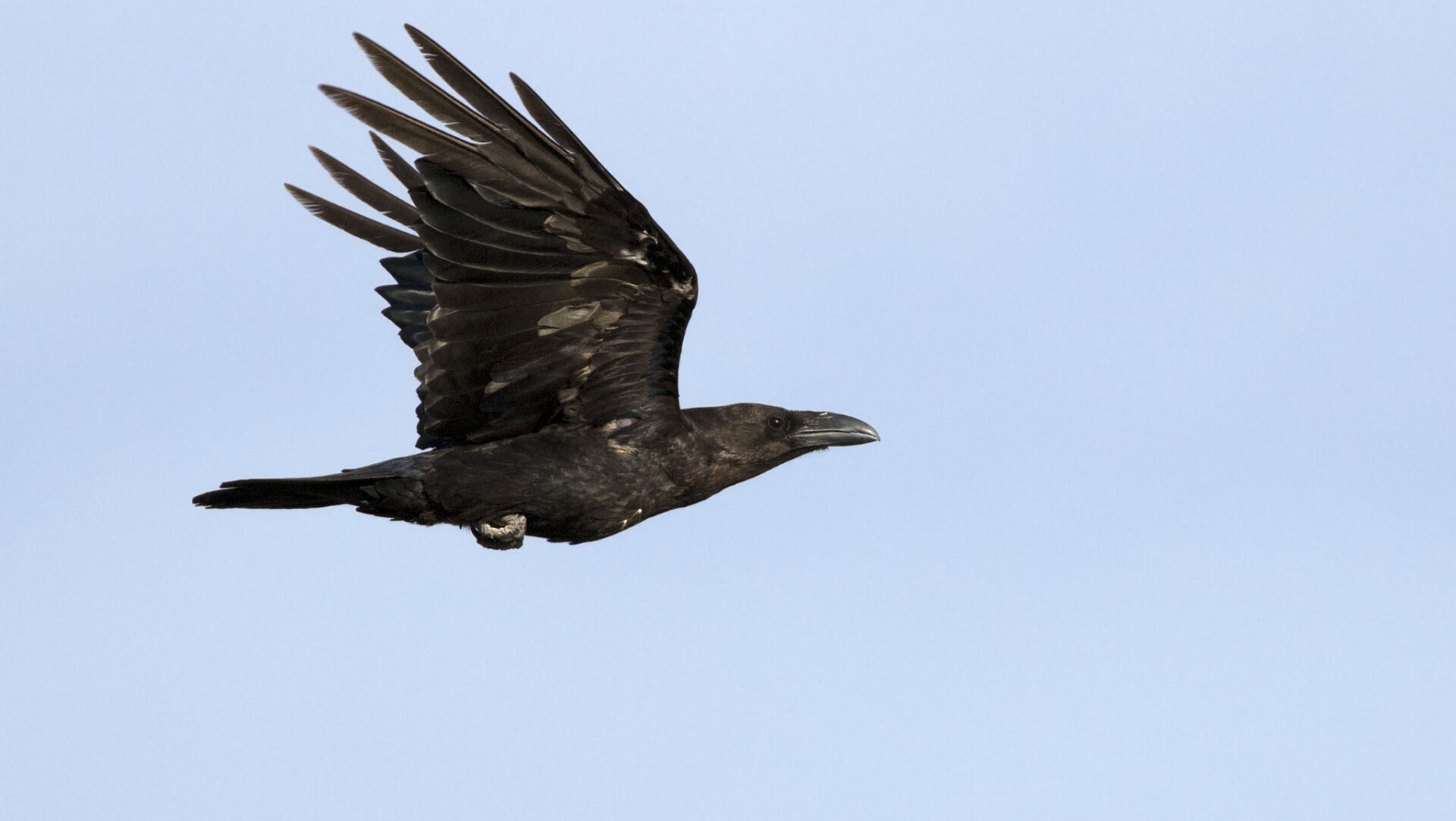

The Department of Environment and Climate Change say two wild birds in the city of Yellowknife have tested positive for avian influenza. The cases of Highly Pathogenic Avian Influenza (HPAI) were identified in two ravens.
Officials said the cases appear to be isolated.
“Testing identified the H5 strain of HPAI, which is highly infectious among birds. These appear to be isolated cases, and the risk to birds and other wildlife remains low,” said representatives from GNWT’s Environment and Climate Change department.
Since 2022, there have been over 10 confirmed cases of HPAI in the N.W.T.
“There have been 11 confirmed cases in birds in the Northwest Territories since 2022, and no human cases reported. While the transmission of bird flu to humans is rare and relatively mild in nature, the NWT Chief Public Health Officer, Dr. Kami Kandola, advises residents to remain cautious when handling birds,” read the advisory issued Wednesday.
The GNWT recommended following these safety guidelines:
- Don’t handle wild birds that are found dead or live birds acting strangely. Don’t touch surfaces that could be contaminated by sick birds.
- Report sightings of sick, injured, or dead wildlife to your ECC Regional Office as soon as possible. Provide details such as the date, time, location, and a brief description.
- If you are experiencing any respiratory or flu-like symptoms, AND have been recently (within 10 days) in contact with wild birds or domestic birds showing signs of illness, reach out to your local health centre or call 811 immediately for assessment and advise them of your bird exposure.
- Seasonal Influenza vaccines do not offer protection against Influenza A(H5N1). However, they may reduce the risk of seasonal human and influenza A(H5N1) virus co-infection and possible viral reassortment leading to a human-transmissible virus with pandemic potential.
The GNWT made these recommendations for hunters and anyone who is regularly in contact with birds:
- Wear gloves and wash hands frequently while dressing them.
- Process birds in a well-ventilated area, like the outdoors.
- Disinfect equipment, surfaces, and clothing afterward.
- Cook meat to an internal temperature of at least 165 °F (74 °C).
GNWT asks anyone who has questions about wild birds in N.W.T. to contact the Canadian Wildlife Service at cwsnorth-scfnord@ec.gc.ca.
Environment and Climate Change encourages anyone who would like to learn more to visit their website where more information can be found about Avian Influenza.





 were identified in two ravens. )