
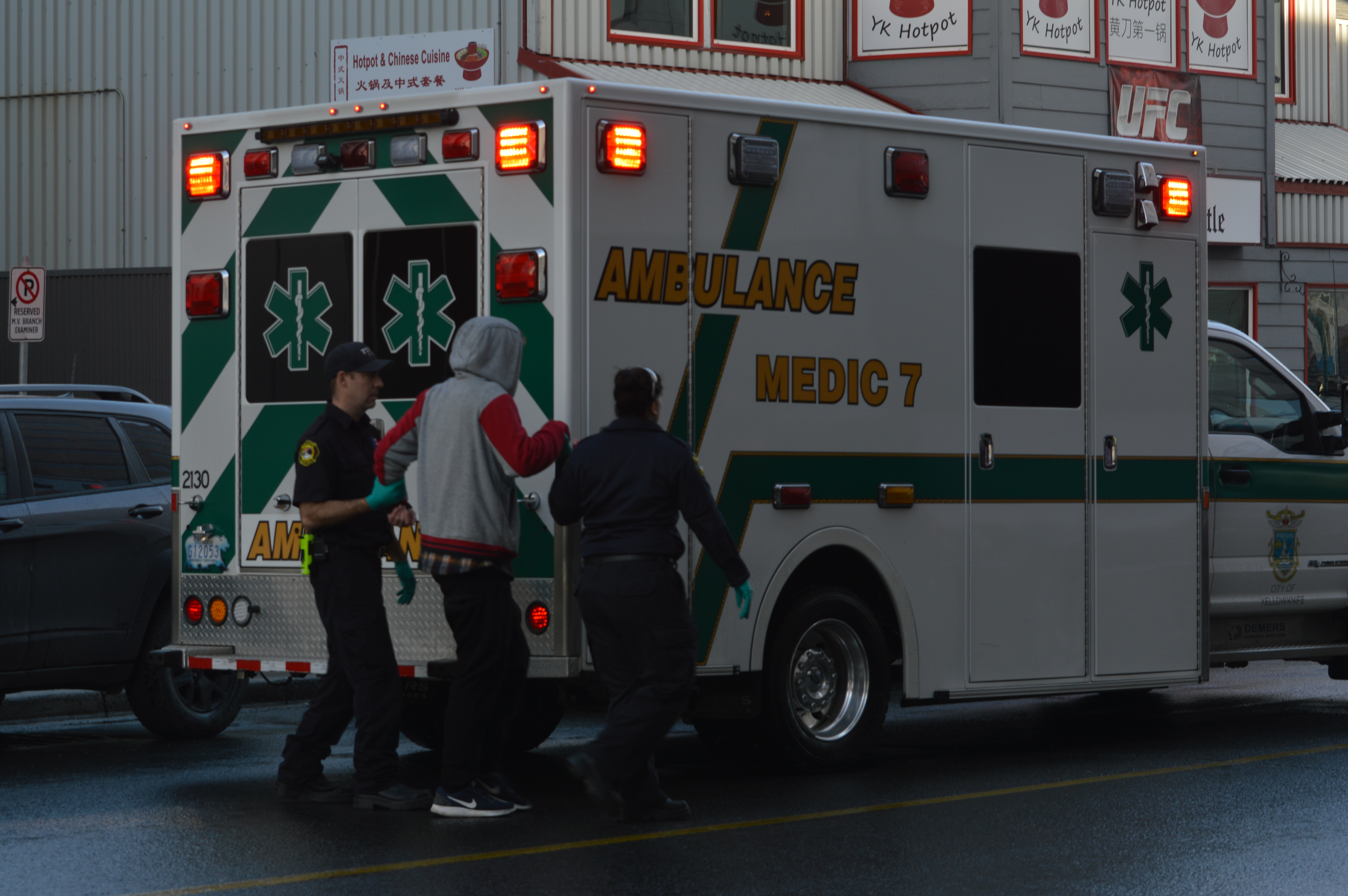

NWT Medical Travel Services have released their report on the statistics of and spending on medical travel in the territory.
Medical travel is an essential tool in allowing residents from across the NWT to access the medical treatment they need. Many communities lack specialist doctors, or don’t have consistent year-round road access, making medical travel a necessity. The Medical Travel Office coordinates travel for many programs in the NWT, such as the GNWT’s Extended Health Benefits, or the federal Non-Insured Health Benefits.
Since 2022, cases of medical travel in the territory have increased by more than 5000, just exceeding 23,000 this past year. Of these cases, 7% where emergency travel, involving an air or ground ambulance, down from 8% last year. Dental cases increased from 11% in 2022 to over 22% in 2025. Nearly 90% of those travelling for dental care received treatment in Yellowknife.
The net spending on medical travel has increased by 25% over the same time, from $28 million to $35 million. Roughly a third was spent on emergency travel, while 20% was spent on escorts. Air ambulances and scheduled air travel made up 75% of spending on travel.
The report suggests that the increase in medical travel is due to an increase in demand for specialist care, as well as staff vacancies in more remote regions. The healthcare system is working to improve sustainability and patient experience, through virtual appointments, better coordination, and streamlining referrals.