



The Land and Water Boards of the Mackenzie Valley, the Review Board, the Land Use and Renewable Resource Boards, the territorial and federal governments will meet from Jan.13 to 15 to discuss Indigenous Traditional Knowledge in the co-management of land, water, and resources under the Mackenzie Valley Management Act.
The three day workshop, titled Indigenous Traditional Knowledge – A Path to Better Decisions, is open to the public and Jan. 6 is the deadline to register. The meeting will take place at the Chateau Nova in the city of Yellowknife.
“The goal of the workshop is to help familiarize participants with the co-management and integrated system of land and water management established through the Mackenzie Valley Resource Management Act (MVRMA) and Land Claim and Self- Government Agreements,” said Tanya Lantz, who is the manager of Indigenous Outreach, Engagement and Partnerships at the Mackenzie Valley Review Board.
“The workshop will provide an opportunity to share knowledge, ideas, experiences, and to discuss how to meaningfully participate in existing resource co-management processes,” added Lantz.
The Mackenzie Valley Management Act has been in effect for nearly 30 years and has seen various amendments geared at providing an integrated system of land and water management.
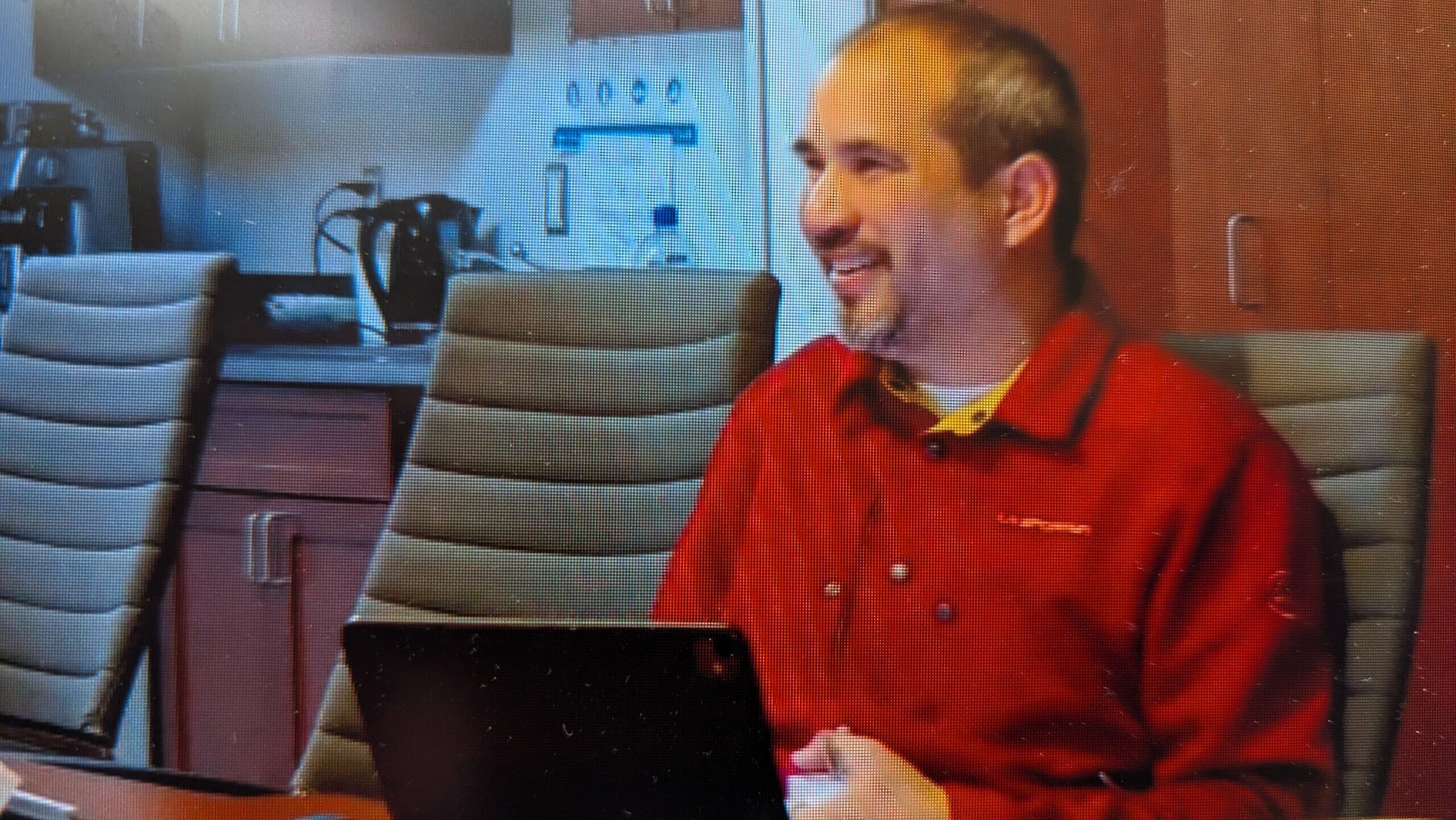
Today a virtual meeting leading into next week’s workshop, attended by over 50 participants, focussed on a review of Traditional Knowledge guidelines.
Mark Cliffe-Phillips, executive director of the Mackenzie Valley Review Board said the discussion on how to implement greater accountability over the way development projects play out and how Traditional Knowledges are respected is an ongoing focus for community stakeholders.
Participants have brought the issue to the table at previous internal reviews and workshops regarding how to look at accountability of people who are using or accessing Traditional Knowledge.
“I think that’s a further discussion that we need to look at that. The board also, in its terms of reference – so it’s direction, it’’s the recipe that the board uses to give guidance to developers, are trying to be more explicit on how developers are communicating how and when Indigenous knowledge, Traditional Knowledge is used and how that informs changes to project design or mitigation, or their conclusions on their impact assessment,” said Cliffe-Phillips.
“So I think that that’s being built into all aspects of the project and and I think accountability is across the board. It’s also our board and the decision makers like the federal ministers and the territorial ministers, etc. We all need to look at how best to be accountable to the input that we’re receiving and that’s Indigenous knowledge as well. Our Traditional Knowledge as well as all aspects of the information that we receive,” added Cliffe-Phillips.
Development certificates are one potential way the board could enforce greater accountability in respecting Indigenous traditional knowledges.
“If there were development certificates available for each project and there’s measures and conditions related to Traditional Knowledge that improves the accountability by making those conditions more enforceable, or allow for better compliance and the the ability of the board to apply administrative actions to ensure that those measures are lived up to. The intent and purpose of what they’re trying to do, which is to minimise or mitigate any significant impacts and if Traditional Knowledge is it informing that process, in a lot of our measures, that’s how they’re written down. We’re uncertain how those get applied. So, development certificates would definitely be helpful for the board to have oversight over the implementation of those measures.”





 and Land Claim and Self- Government Agreements,” said Tanya Lantz, who is the manager of Indigenous Outreach, Engagement and Partnerships at the Mackenzie Valley Review Board."The workshop will provide an opportunity to share knowledge, ideas, experiences, and to discuss how to meaningfully participate in existing resource co-management processes,” added Lantz.)