

Water testing at two more schools in the territory indicated elevated levels of lead for some of the schools’ fixtures. With 16 school test results announced to date, 12 have tested positive for elevated levels of lead in the drinking water. In the fall the GNWT launched a comprehensive water testing protocol following a public announcement in May that two schools in the city of Yellowknife had elevated lead in drinking water.
While water testing at the Diamond Jenness Trades Centre in Hay River showed lead levels below Health Canada’s guidelines, testing at two other schools showed elevated levels.
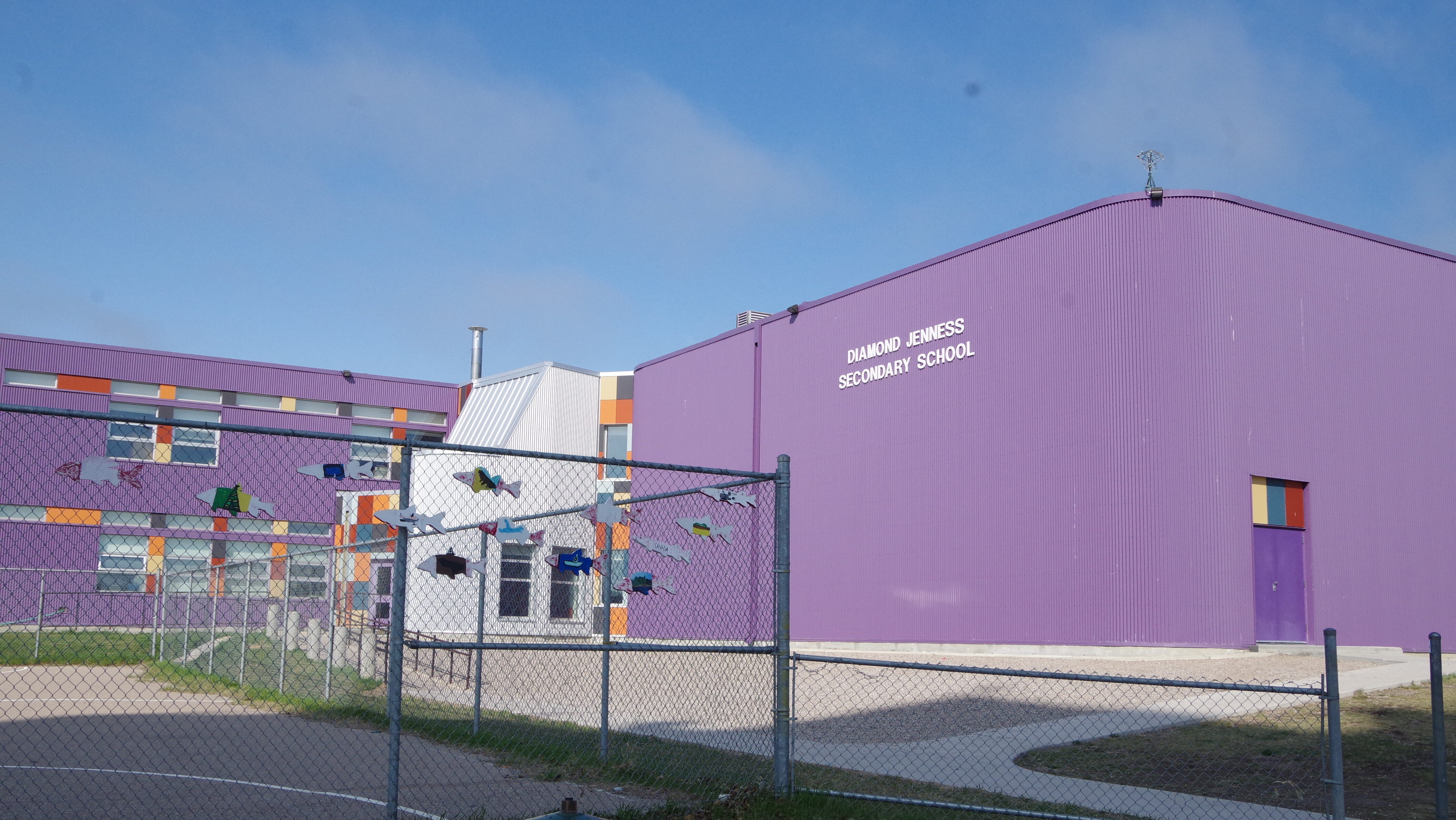
Water testing at Princess Alexandra School and Diamond Jenness Secondary School showed that water samples for some fixtures tested above the guidelines.
“Testing has confirmed that some water fixtures show lead levels above the maximum acceptable concentration (MAC) set out in the Guidelines for Canadian Drinking Water Quality. As a result, the Office of the Chief Public Health Officer (OCPHO) has issued a Public Health Order for the school,” said officials.
At Princess Alexandra School in the town of Hay River, the Chief Public Health Officer has banned the use of drinking water at the affected water fixtures.
“Effective immediately, affected water fixtures and water fountains at Princess Alexandra School will be out of service, and an alternative drinking water source will be provided, where it is not already in place,” said officials.
The GNWT reported they are taking the following steps to address the issue:
- Identify and implement remediation measures for the affected water fixtures, such as replacing fixtures or installing filters. More detailed information on remediation measures will be added to the webpage as it is confirmed.
- Once all corrective measures are completed, follow-up testing will be carried out and reported to the Office of the Chief Public Health Officer for health risk assessment.
- Use of affected fixtures will only resume once new safety systems are in place, testing confirms the water meets all health standards, and approval is provided by the OCPHO.
Minister Caitlin Cleveland along with GNWT officials announced earlier this month that alternative drinking water will be provided to schools that test positive for elevated levels and support will be provided for schools as they await results.
At Diamond Jenness School in Hay River, a flushing order has been issued.
“Diamond Jenness Secondary School is required to flush all affected fixtures for three minutes each morning before use. All sinks and fountains remain available and safe to use. Drinking water fixtures identified in the Public Health Order will remain in service with the flushing protocol in place until mitigation measures are completed,” said officials.
The GNWT reported they are taking the following steps to address the issue:
- Identify and implement remediation measures for the affected water fixtures, such as replacing fixtures or installing filters. More detailed information on remediation measures will be added to the webpage as it is confirmed.
- Once all corrective measures are completed, follow-up testing will be carried out and reported to the Office of the Chief Public Health Officer for health risk assessment.
Following testing at the Diamond Jenness Trades Centre in Hay River, water fixtures showed lead levels below the maximum acceptable concentration according to Health Canada’s guidelines.
“Water testing at Princess Alexandra School, Diamond Jenness Secondary School, and the Diamond Jenness Trades Centre is part of the GNWT’s commitment to test drinking water in every school in the territory. A priority-based protocol guides the order in which schools are tested, based on factors such as facility age, previous water quality information, and the age of students. While the protocol determines sequencing, the commitment remains the same: all schools will be testing using a science-based approach that reflects Health Canada’s guidance and the conditions of the North,” said officials in the announcement issued at about 4 p.m. today.
According to the GNWT’s school drinking water webpages, 11 schools in the territory are currently undergoing repairs and renovations to address the elevated levels of lead in the drinking water. At some schools the work has been completed.