
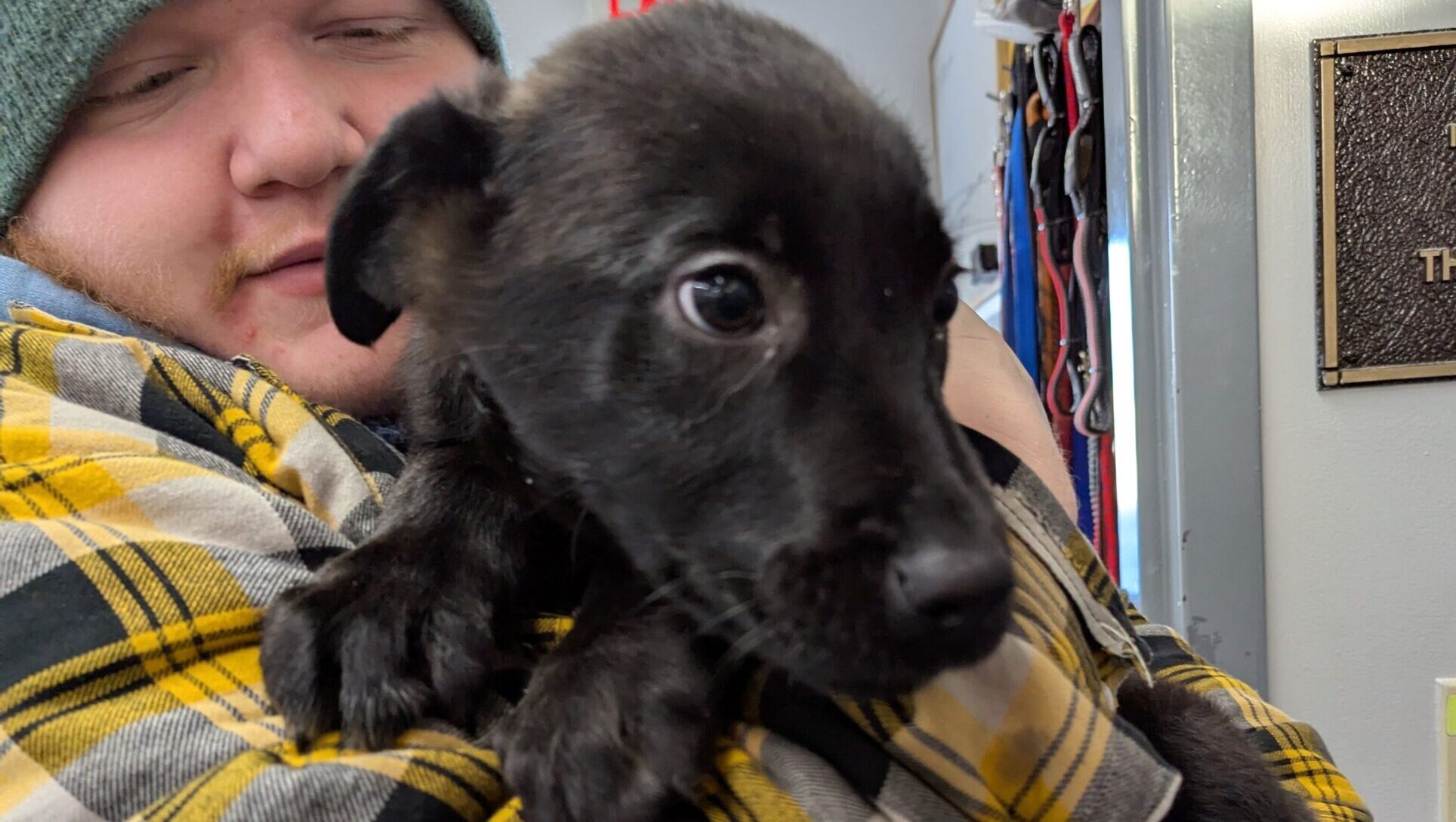

What is giving Tuesday? For organizations like the NWT’s SPCA, it is a day that celebrates and inspires giving that can mean giving food, funding or hours of care work to a calling.
Nicole Spencer, executive director of the NWT SPCA, says because the SPCA receives very little funding from the territory, they rely on folks at the organization who work hard around the clock.
From volunteers, to shelter workers and organizers who help raise funds and grow partnerships for the animal shelter to ‘stay on its feet.’ As the organization relies mainly on donations to care for hundreds of animals each year.
Spencer says that most of all the organization keeps going thanks to the passion of all the people at the shelter who care for each animal in need.
The SPCA workers help hundreds of animals, each year, find forever homes. The organization assists animals in 33 communities across the territory and western Nunauvut, providing shelter in house or through foster programs and adoption along with medical treatments.
Nicole Spencer of the SPCA NWT says last year the organization raised 73 K and this year they are hoping to surpass that
“All of the money raised will go to the operations of the shelter. It takes a lot to run this organisation,” explains Spencer.
On Giving Tuesday, many organizations will match donations which doubles the impact.
With the price of pet food and other cost of living increasing rapidly in the last few years, Spencer said that the organization sees a steady stream of dogs and cats coming in oftentimes because families cannot afford pet food.
On average, the emergency shelter takes in about 400 dogs and 100 cats each year.
The organization runs a number of programs to help animals and their families, everything from food programs, to medical care, foster care and emergency shelter.
Their pet pantry program takes donated food and makes that accessible to families who otherwise would not be able to afford to keep a dog or cat.
The organization also has volunteers who come in daily to care for the animals. These include volunteer doctors and caregivers who provide everything from medical care to dog walking and cleaning up kitty litter.
“We have regular dog walkers that come in every day. You can do an orientation. We do orientations on Saturdays afternoons that you sign up,” explains Spencer.
“So after you do the orientation, you can come in whenever we’re open to walk dogs. It’s really, really helpful,” says Spencer.
There’s people that come in and clean the cat room.
“They’ll clean litters, they’ll mop, they’ll spend time with the cats and clean up their rooms,” she explains.
“There’s, lots of ways to volunteer, even at events, but physically to be at the shelter is really, really helpful.”
It is the care work of animal lovers, which is generally underpaid or unpaid and often unseen is really what drives the local Yellowknife based non profit.
“When we see an animal come in, in poor shape or coming from a difficult situation and see that dog or cat or guinea pig, get good enough to eat, get healthy and then get adopted – and then to see pictures of that animal in a new home, is what all of us love to see and it’s what we live for basically is to see those animals in a better life,” says Spencer.
“That’s what keeps us going and keeps us working here and volunteering.”