

The federal budget is poised to change the way Northerners outside the main hubs of the territory access health and wellness supports, including addictions and mental health services, says Premier RJ Simpson.
On Friday, the federal government pledged $1.6 M for Yellowknife and Sahtu area addictions and wellness programs. While the announcement was met with much support from leaders and community members across the N.W.T., some are asking when other communities, especially in more remote regions, will have access to similar funding resources. Since the beginning of Minister Rebecca Alty’s campaign to represent the N.W.T. in the House of Commons, she has advocated for more resources and support for addictions and wellness. Leaders, including Minister Alty and Premier Simpson, say that these latest developments are positive signs of more to come.
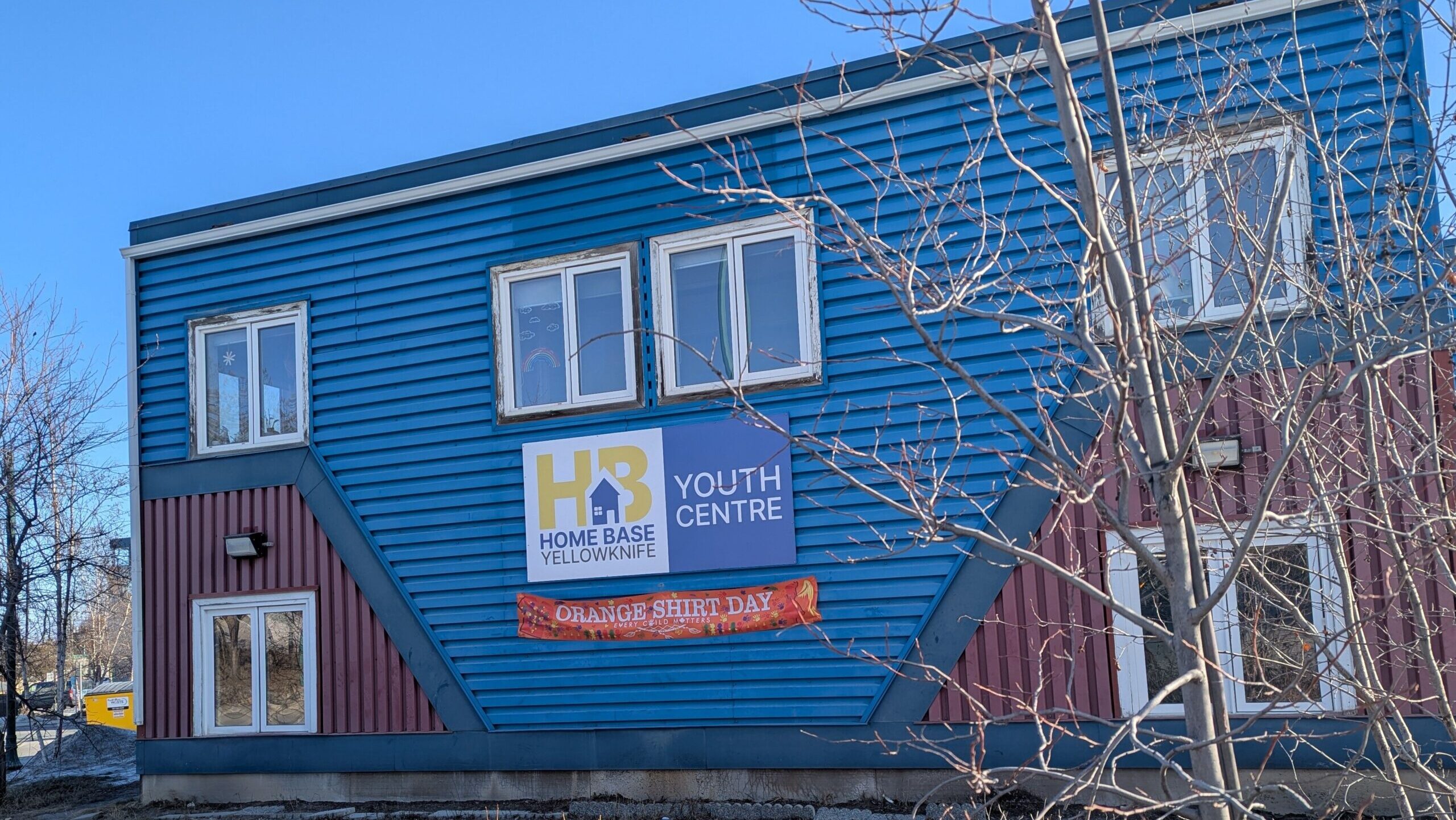
On Oct. 31, Minister Alty delivered the news at city hall in Yellowknife that the federal government was investing over $1 million into two community-based programs in Yellowknife and the Sahtu.
“We know that the drug crisis is one of the most serious public health challenges we’ve faced in Canada’s history. That’s why our government has announced more than $1.6 million for Yellowknife’s Enhanced Street Outreach Program and Sahtu Harm Reduction and Support Program to help enhance and expand the life saving work they do.”
“Communities across the Northwest Territories, continue to struggle with the devasting effects of the drug crisis,” acknowledged the minister.
NWT’s MP said investments in community-led initiatives like the Yellowknife Enhanced Street Outreach Program and the Sahtu Harm Reduction and Support Program are grounded in community care and knowledge.
Health Minister Marjorie Michel pointed out that the approaches to respond to the crisis must be community-driven and holistic.
“There is no one-size-fits-all approach to solving the overdose crisis, and no community can solve it alone. By investing in community-driven, culturally relevant, and evidence-based initiatives like this, we are making sure people have access to the care and support they need, close to home.”
The funding for the programs comes from the Emergency Treatment Fund, which is part of the federal government’s planned rapid responses to critical needs related to the substance use and overdose crisis.
The Enhanced Street Outreach Program in Yellowknife received $903,254 for its outreach services to support populations made vulnerable by the drug crisis. The program uses a harm reduction approach to respond to the health care, housing, and social support services.
The Sahtu Harm Reduction and Support Program received $795,404 for a project focused on fortifying community resilience and capacity to respond to addictions through culturally appropriate and evidence-informed activities. This includes overdose prevention resources, community education access to trauma-informed, therapeutic support for community members facing substance use disorders.
Charlaine Sleiman of Health Canada said the programs are designed to help build local capacity and ensure culturally-appropriate, trauma-informed programs and services are available.
In response to Friday’s announcement, many area leaders and community members have expressed their support for the move, but have also expressed concerns about how other areas of the territory will be supported.
Across social media, messages of support poured out, as well as messages asking how communities without those resources can support their community members with addictions and protect vulnerabilized groups from the overdose crisis.
“Great initiative. However, what about funding for other communities? Many smaller communities are affected too,” asked Facebook user Jeannie Marie Jewell.
Those questions were echoed on social media by Leah Blink and Melania Menacho.
“We need funding for the smaller communities as well. Fort Simpson is in the hub of the Dehcho, so why aren’t they considered as emergency for new shelter. Current shelters are in poor condition,” said Facebook user Melania Menacho.
Representatives from Health Canada did not respond to questions about whether there may be funding for other parts of the territory, only to say that organizations can apply for the programs and project funding and if their application is successful, they will receive the funding.
At a press conference held today, just 2 hours after the release of the budget, Premier RJ Simpson and Finance Minister Caroline Wawzonek answered questions about the budget.
Premier Simpson told North Now that the access level to healthcare and wellness services are forecasted to see major developments, including localized access for communities outside of the larger territorial hubs
The premier said federal leaders have expressed a commitment to review health infrastructure in the territory.
“The budget points out that the territorial government, the GNWT, is spending a lot of money on medical travel. And if we can take that money, if the feds can make some changes that reduce those costs to us, we can take that money and then put it towards those types of programs. So I think that’s where the benefit’s going to be,” said Premier Simpson.
The federal budget makes commitments to improve access to health care in the Arctic and the North, said Premier Simpson.
“The federal government is aware, we’ve had conversations with them, about the amount of travel that someone has to do to access basic services. Whether that’s travelling from Sachs Harbour to Yellowknife, then to Edmonton or even just from Hay River to Yellowknife. It still takes time and it’s still difficult for people with serious issues,” said the premier.
Looking at the budget, there were some major changes in the works to bring healthcare infrastructure North.
“And so the federal government has committed to undertake a comprehensive assessment of health care and health care infrastructure needs in the North with a goal of identifying ways to increase access.”
Increased costs and inflation are prompting a recognition that building local infrastructure and services is needed.
“The reason they’re interested in that is because of medical travel, because they are responsible for the cost of medical travel in the territory for Indigenous people through non-insured health benefits. They’ve come to finally recognize that medical travel is expensive and it’s going to be cheaper for them to bring services closer to home into communities than it is to send thousands and tens of thousands of people across the country year after year. And so I think that’s one where in the coming years, this one is actually going to pay dividends and people will see the impact in their community.”
In early November following the release of the budget, a report on a new initiative called the Primary Health Care Reform (PHCR) initiative in the Northwest Territories, was made accessible on GNWT’s website. The framework, called the Equitable Access Framework, is designed to include the voices of Indigenous communities and the expertise of frontline health workers. The authors of the report say that through engagement and co-design, they are working to build Indigenous knowledge that responds to the realities of health care in the North.