
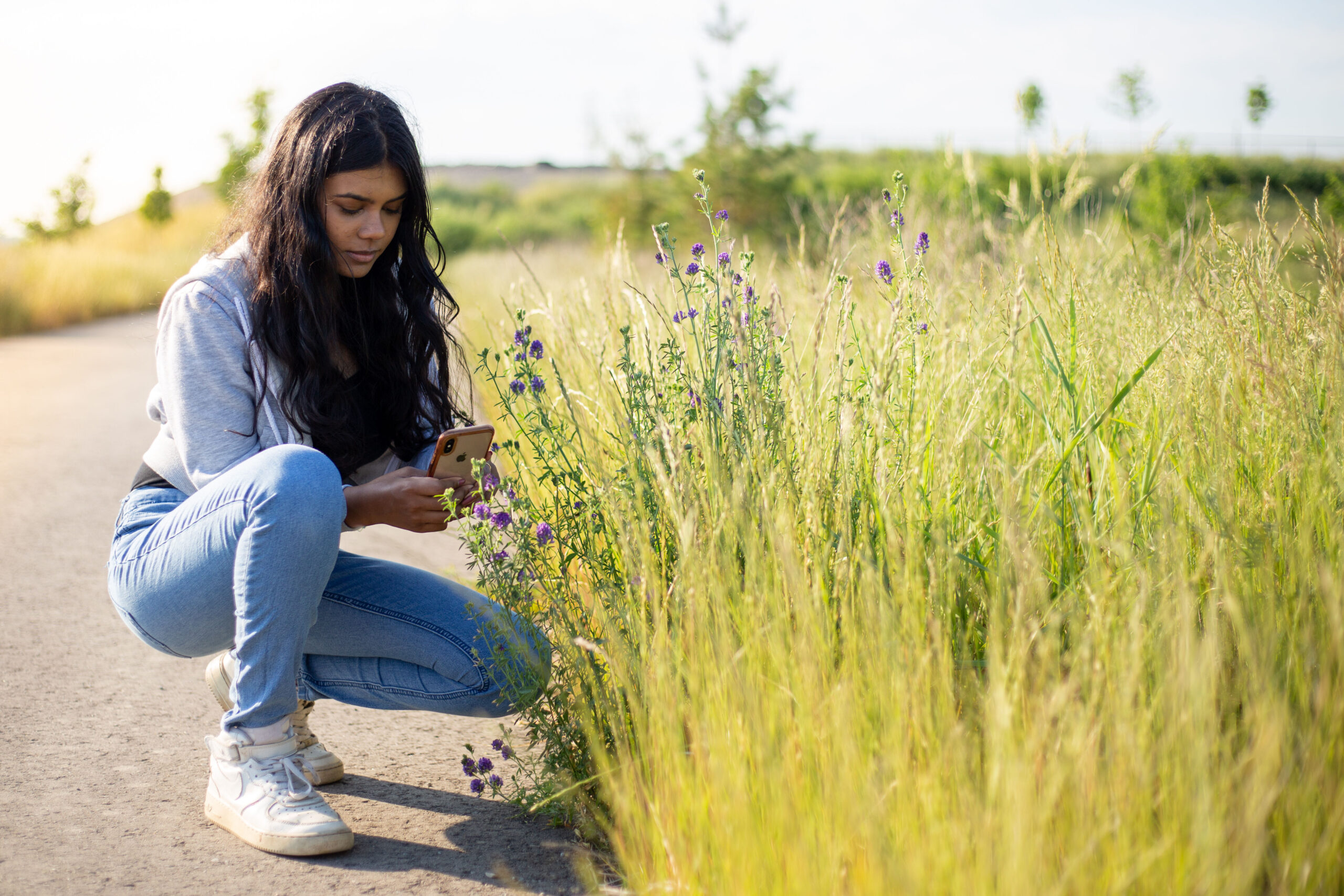

A community science event, called the Big Backyard BioBlitz, hosted by the Nature Conservancy brings people of all ages together to help identify and record wildlife and plant species in backyards, city parks, city streets and trails across the country.
Last year, the challenge brought over 47,800 photos of nature and wildlife from across the country. This year, organizers are hoping to hear from more participants in the North and the challenge has been extended to take place over one week until August 4.
Participants can use a smartphone or digital device to snap photos or record audio onto the iNaturalist app to engage with biologists, foresters, plant experts and other scientists to help understand what was found.
Andrew Holland, a representative with the Nature Conservancy of Canada told True North FM that the data collected will be used to help understand how climate change is affecting wildlife and nature.
Because scientists “can’t be everywhere”, and the data collected becomes part of a collective conservation planning, species protection, and ecosystem monitoring.
“These discoveries provide a snapshot of what is happening in communities and on the ground. It gives NCC valuable information on the range and migration of species as we support adequate habitats and resilient landscapes,” said Holland.
The event began five years ago and since that time over 193,000 observations have been submitted by participants, with more than 8,600 species observations tracked, including many that are rare, at-risk, or endangered, said Holland.
“It is inspiring to see people of all ages generously volunteer their time, and rediscover the wonders of the natural world, often right outside their door,” says Holland. “By taking part in the BioBlitz, you’re not only having fun and learning something new, but you’re actively contributing to a national effort to better understand and protect biodiversity.”
“The information can be used by provincial governments, municipalities other land use managers to help inform where species are migrating due to climate change, from wildfires or flooding, from storms,” said Holland.
Invasive plants have been documented in areas where they don’t belong. This can created infestations of non-native plants that are showing up along rivers edges or in around streams or trails or highways, explained Holland.
“So people taking photos of what they see, it benefits their knowledge of what’s in local areas and so is part of place, but it also shows a bigger picture across the country,” added Holland.
Holland emphasized that another goal, that is perhaps even more important, is to get people of all ages enjoying and engaging with the outdoors.
“The goal of this is to get people from all across the country out in their backyards, or their favourite trails or waterfalls, or it could be a forested area and take pictures of what they see of the plants and animals that they see,” explained Holland.
In the N.W.T., he Nahanni National Park Reserve and South Nahanni River areas saw the most photos taken last year. Organizers are hoping to have more participation and photos representing other northern communities.
Holland said the Conservancy would love to see more from the North because most of the data submitted has been from the south since the project began back in 2021.
“People don’t need to be an expert or a biologist. Newbies are welcome! This is fun event for all ages and the app will automatically help people identify the photos of trees, plants, butterflies, birds, insects, wildlife that people upload. Participants simply use their smartphones or cameras and take pictures, download the iNaturalist app on their phones or computers. They then post the photos and contribute to community science. They can also record the sounds of animals, such as birds. The more we collectively know about nature and the plants and animals in our areas – the more we can support them,” said Holland
“Through this crowd-sourced effort, each observation helps researchers and conservationists better understand local biodiversity, detect invasive species, and track changes over time, especially in the face of climate change,” added Holland.
Anyone who would like to learn more about the challenge and how to register can visit backyardbioblitz.ca. Learning activities for younger naturalists can also be accessed from the website’s Kids’ Corner, such as scavenger hunt bingo, word searches, colouring pages and other activities for kids.
Participants are encouraged to share their sightings on social media, using the hashtag #NCCBioBlitz.